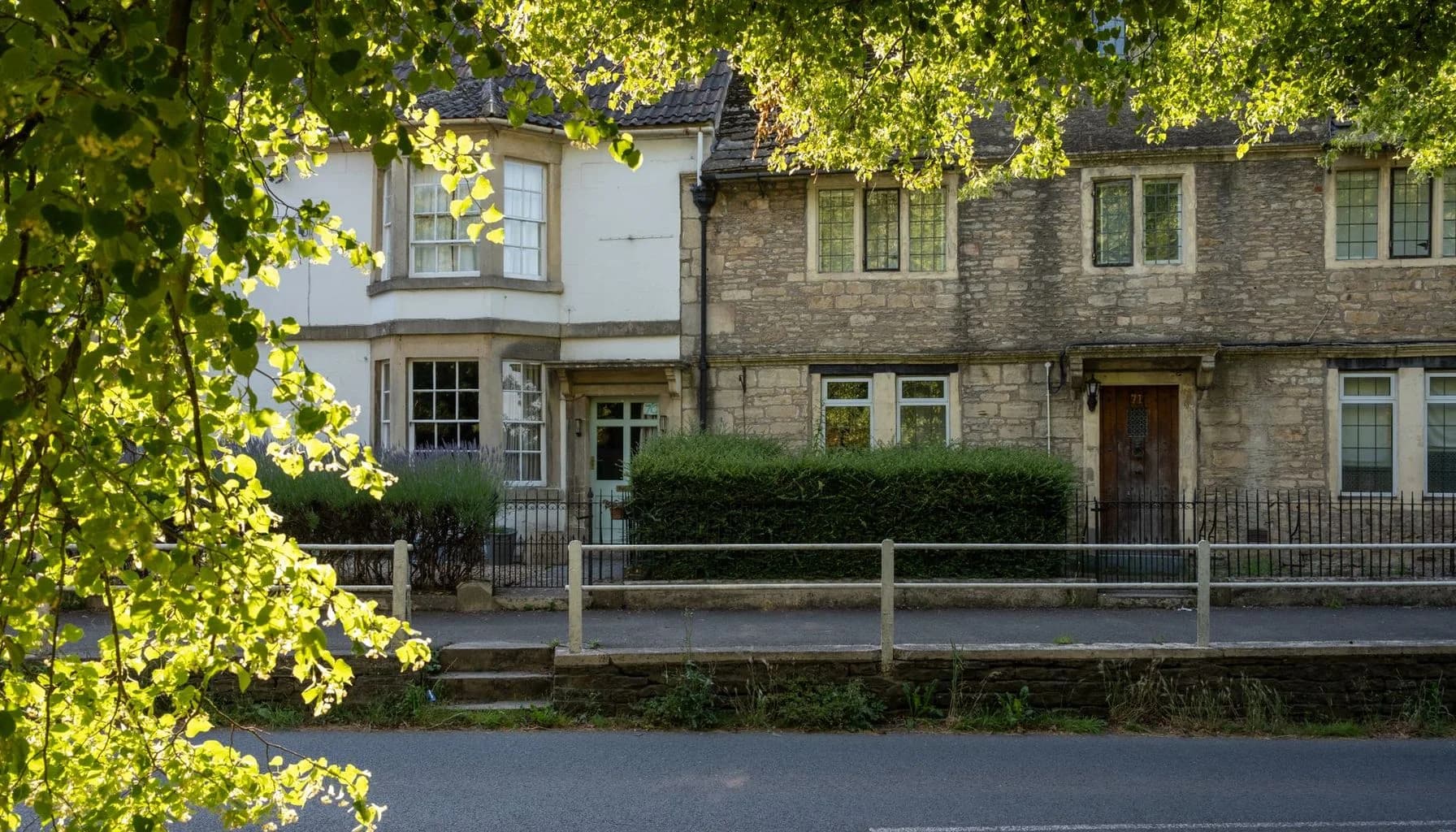
The latest data from the Office for National Statistics (ONS) reveals that house prices in the UK have increased by 2.7% over the past year, reaching an average of £271,000. This rise in house prices coincides with a 3.3% increase in private rents, now averaging £1,388 per month, underscoring the ongoing challenges faced by renters and potential homebuyers alike.
How Have House Prices Changed Recently?
According to the ONS, the annual growth rate for house prices has decreased from 3.9% in April to 2.7% in May 2026. This slowdown can be attributed to a base effect from a modest monthly price rise in May 2026, contrasting with a significant increase in May 2025, following changes to Stamp Duty Land Tax in England and Northern Ireland. The average house prices across the UK have seen varied changes: in England, prices increased by 2.3% to £292,000; in Wales, they rose by 4.2% to £215,000; and in Scotland, the increase was 4.4%, reaching £196,000.
What’s Driving the Rise in Private Rents?
Private rents in the UK have also seen a notable increase of 3.3% year-on-year. In England, the average rent rose by 3.4% to £1,446, while Wales experienced a higher increase of 4.9%, bringing the average to £843. Scotland saw a more modest rise of 1.3% to £1,012. In Northern Ireland, rents increased by 2.9% to £877. The highest annual inflation rate for private rents in England was recorded in the North East at 6.3%, while London experienced the lowest at 2.2%.
What This Means for Landlords and Borrowers
The increases in both house prices and rents have significant implications for landlords and borrowers. For landlords, rising rents can enhance rental yields, making property investment more attractive. However, the slowing growth in house prices may temper expectations for capital appreciation. For borrowers, the combination of rising rents and house prices could strain affordability, particularly for first-time buyers who are already facing elevated mortgage rates. As the housing market adjusts to these economic conditions, potential buyers and investors should remain vigilant about the evolving market.
What Should You Watch Next?
Attention is now shifting to the upcoming Bank of England interest rate decision, which could further influence borrower confidence and market activity. With Zoopla reporting a 20% decline in buyer inquiries compared to last year and a 7% drop in sales agreed, the market is showing signs of cooling. Stakeholders should monitor how these economic indicators affect both the rental and housing markets in the coming months.