/
Self build mortgages
A self build mortgage funds a home being built, releasing money in stages as the work progresses. See how stage payments, deposits, plots and lender checks fit together.
Reviewed by David Sampson, Founder & Director · Created
TL;DR
- •A self build mortgage funds a home being built rather than bought.
- •Money is released in stages as the build progresses.
- •Lenders check the borrower, the plot and the project.
- •The mortgage converts to, or is replaced by, a standard one at the end.
What is a self build mortgage?
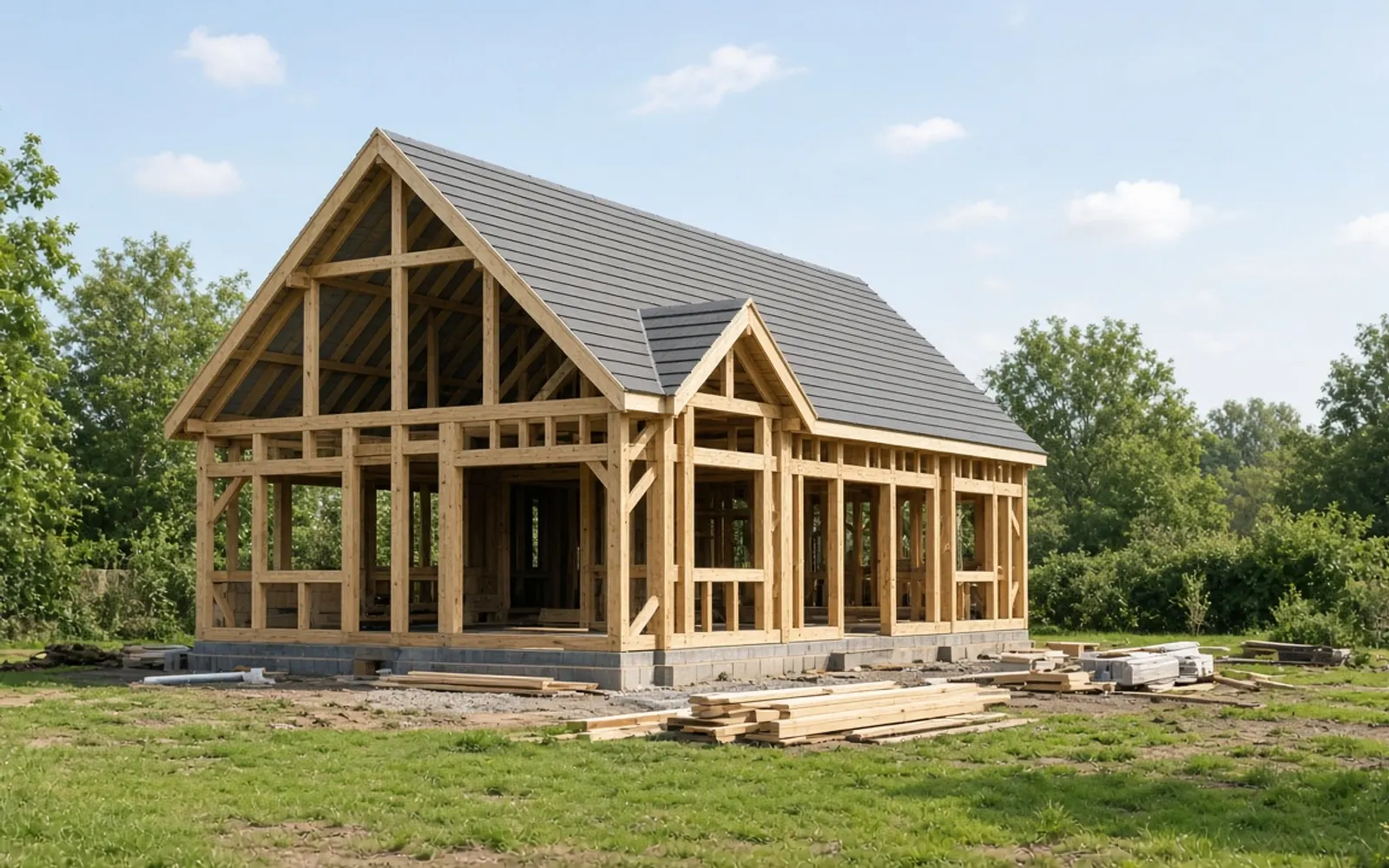
A self build mortgage is a mortgage for a home the borrower is building, whether by hand, with builders or through a custom build enabler. The lender releases money in stages as the build reaches agreed points, rather than in one sum, and interest is charged only on the amount drawn so far.
Self build mortgages are residential mortgages, regulated where the borrower will live in the home, so the lender checks affordability on income and outgoings as for any purchase. The difference is that the lender is also funding a project, so it checks the plot, the plans, the budget and the people overseeing the build.
Once the home is finished, the self build mortgage either converts to a standard residential mortgage with the same lender or is replaced by a remortgage. Some borrowers sell an existing home during or after the build to reduce the loan.
The term covers several routes, from a full self build managed by the owner to a kit home, a timber frame or a custom build on a serviced plot. Each step of the process, from stages to criteria, is set out in the guide to how self build mortgages work.
Stage payments and drawdown
Self build mortgage funds are released at stages agreed before the build starts, usually tied to buying the plot, the foundations, the walls, the home becoming watertight, plastering and completion. Each release needs a valuation or a certificate from the professional overseeing the work, confirming the stage is complete and the value has grown.
Most lenders release funds in arrears, after a stage is finished, so the borrower pays for the work first. Advance products release money before each stage, which reduces the cash needed but is offered by fewer lenders and often costs more.
The release timetable affects the whole project, because builders and suppliers need paying on time. A shortfall between stages can stall the build, so many self builders keep savings or short-term funds to cover the gaps.
Delays in sign-off, weather and supply problems can all push the programme back, and interest continues on the amount drawn. A contingency in both the budget and the timetable helps absorb these delays.
Deposits and borrowing
The deposit for a self build mortgage is usually larger than for a standard purchase, because the lender is funding a home that does not exist yet. Lenders set limits on the share of the land price and of each stage they will fund, and the deposit, savings or owned land covers the rest.
How much can be borrowed depends on income and outgoings, as with any mortgage, and on the lowest of the build cost, the expected finished value and the lender's limits. Lenders also look for a contingency in the budget for overruns.
Land already owned outright often counts towards the deposit, which can reduce the cash needed for the early stages. Selling an existing home can release funds for the deposit, though some self builders live in their current home until the build is complete.
Running the numbers for a specific project, from land and build costs to the finished value, shows how much borrowing is needed. The self build mortgage calculator estimates the loan, the loan-to-value and interest during the build.
Buying land for a self build
Many self build mortgages fund the purchase of the plot as well as the build, releasing the first stage to buy the land. Lenders usually need full planning permission for the home, legal access, services and suitable ground conditions, and they value the plot on its current planning status rather than on the price paid.
Plots come from estate agents, auctions, plot-finding services and councils. Councils in England keep self build and custom housebuilding registers, and must grant enough planning permissions to meet demand on them (GOV.UK Right to Build guidance, accessed 20 Oct 2026).
Land without planning, or with outline planning only, is harder to fund, and some buyers use cash or short-term finance for the plot until detailed planning is granted. Stamp duty or the devolved land tax can be due on the plot price.
Using owned land as a deposit, buying a plot and building together, and the checks lenders make on plots are covered on the self build mortgages including land page.
What lenders check
Self build lenders check the borrower, the plot and the project. They look at income, credit history and deposit, then the plot's planning, title and services, and then the build costs, programme, contractor or project manager, and the architect's certificate or structural warranty that will cover the finished home.
The finished home must be mortgageable, so lenders check the construction method. Kit homes, timber frame and many modern methods of construction are accepted with a recognised warranty, while unusual designs can narrow the choice of lenders.
Lenders also want to see a detailed cost breakdown, often from a quantity surveyor or the builder, and proof of contingency funds. Where the owner is managing the build, lenders may ask about their experience and how trades will be scheduled.
Self employed borrowers, older borrowers and those with past credit problems can still find self build lenders, though the choice is smaller than for standard purchases. Self employed applicants usually need accounts or tax calculations, and older borrowers need a plan for repayment if the term runs into retirement, as with any residential mortgage.
Self build finance options
Self build mortgages are the most common way to fund a self build, but many projects combine several sources. Savings often cover the design work, planning and contingency, the sale of an existing home can fund the plot, and short-term bridging finance can cover gaps when timing does not line up with the mortgage stages.
Unsecured personal loans can fill small gaps, though they are limited in size and usually cost more than secured borrowing. Development finance is designed for builders selling homes for profit and is rarely used for a single self build.
In Scotland, a government loan fund supports some self builders who cannot get mainstream finance, funding the construction stage on a plot they already own (Communities Housing Trust, accessed 20 Oct 2026).
How each option works, and how they compare, is set out on the self build finance page.
VAT, CIL and other costs
Self builders can reclaim VAT on many building materials and some services through the HMRC DIY housebuilders scheme, with one claim per home. For work finished on or after 5 December 2023, the claim must be made within six months of completion, so receipts need keeping throughout the build (GOV.UK, accessed 20 Oct 2026).
In England and Wales, self builders can apply for an exemption from the Community Infrastructure Levy, which must be claimed before work starts and carries conditions on living in the home (GOV.UK CIL guidance, accessed 20 Oct 2026).
Other costs include planning and building control fees, the structural warranty or architect's certificate, utility connections, insurance during the build and the lender's stage valuation fees. Building these into the budget from the start avoids a shortfall near the end.
Site insurance and a structural warranty protect both the borrower and the lender, and most lenders need evidence of both before the first build release.
Custom, kit and eco builds
Self build covers a range of routes. A full self build has the owner managing trades, a kit or timber frame home is supplied and often erected by a manufacturer, and a custom build is delivered by a developer or enabler to the buyer's design, often on a serviced plot within a larger site.
Kit suppliers often need large payments before delivery, which suits advance stage mortgages that release funds before each stage. Arrears products need the borrower to cover those payments first.
Eco and passivhaus homes can be funded with standard self build mortgages, and some lenders offer green products for homes with strong energy ratings. Valuers still use comparable sales, so not all spending on energy features shows in the value.
How lenders treat each construction route, and how stage releases differ, is set out on the custom, kit and eco build finance page.
Self build in Scotland
Self build mortgages in Scotland work in much the same way as elsewhere in the UK, with funds released in stages as the build progresses. The main differences are the building warrant, which must be in place before work starts, and the completion certificate from building standards, which lenders need before the final release.
Plots are bought under Scots property law, with missives instead of exchange of contracts, and Land and Buildings Transaction Tax may be due on the plot in place of stamp duty. Remote and island plots can bring higher build costs and fewer comparable sales for the valuer.
The Self-Build Loan Fund, run by Communities Housing Trust for the government in Scotland, lends to self builders who cannot get mainstream finance, funding the construction stage on a plot they already own. It cannot be used to buy land, and the loan is repaid on completion.
Timber frame and kit homes are common in Scotland and widely accepted by lenders with a warranty. How lenders approach self builds in Scotland, and how the loan fund works, is set out on the self build mortgages in Scotland page.
Comparing lenders and brokers
Self build mortgages come from a smaller group of lenders than standard mortgages, mainly building societies with some banks and specialist providers. There are 12 lenders listed for self build mortgages, and comparing them on drawdown, plot rules and total cost gives a fairer view than the headline rate.
Brokers can compare lenders' self build criteria on one project and manage the application and stage timetable. There are 176 brokers listed as arranging self build mortgages, and they can be compared by rating, reviews and region.
Lender criteria and pricing change often, so the details shown on each listing are a starting point to confirm before an application. How lenders compare on stages, plots and warranties is set out on the self build mortgage lenders page.
Self build mortgage FAQs
What is a self build mortgage?
A mortgage for a home being built, with money released in stages as the build progresses.
How much deposit do I need for a self build mortgage?
Usually more than for a standard purchase. Owned land can count towards it.
Can a self build mortgage include the land?
Yes. Many fund the plot and the build.
Are self build mortgages harder to get?
They can be, because fewer lenders offer them and the project is checked too.
Can I reclaim VAT on a self build?
Many materials and some services qualify under the HMRC DIY housebuilders scheme.
What happens when the build is finished?
The mortgage converts to a standard mortgage or is replaced by a remortgage.
Do I need planning permission before applying?
Most lenders need full or detailed planning before they release funds for the build.
Resources
Brokers
176 self build brokers in this directory
| # | Broker | Verified | Google rating |
|---|---|---|---|
1 | 5.0 (335) | ||
2 | 5.0 (133) | ||
3 | 5.0 (81) | ||
4 | 5.0 (79) | ||
5 | 5.0 (78) | ||
6 | 5.0 (30) | ||
7 | 5.0 (16) | ||
8 | 5.0 (10) | ||
9 | 5.0 (8) | ||
10 | 5.0 (5) |
Showing 10 of 176 brokers. Compare the full shortlist.
Related articles
Practical guides and explainers from our blog — relevant to this mortgage type.
Important: Your home may be repossessed if you do not keep up repayments on your mortgage. Information on this page is for general guidance only and does not constitute financial advice.Always verify details directly and seek independent advice before making financial decisions.