Securing a mortgage for a timber-built property can be challenging, but it is possible. Understanding the nuances of timber construction is essential for potential borrowers, as lenders often have specific concerns regarding these types of properties.
What Types of Timber Construction Are There?
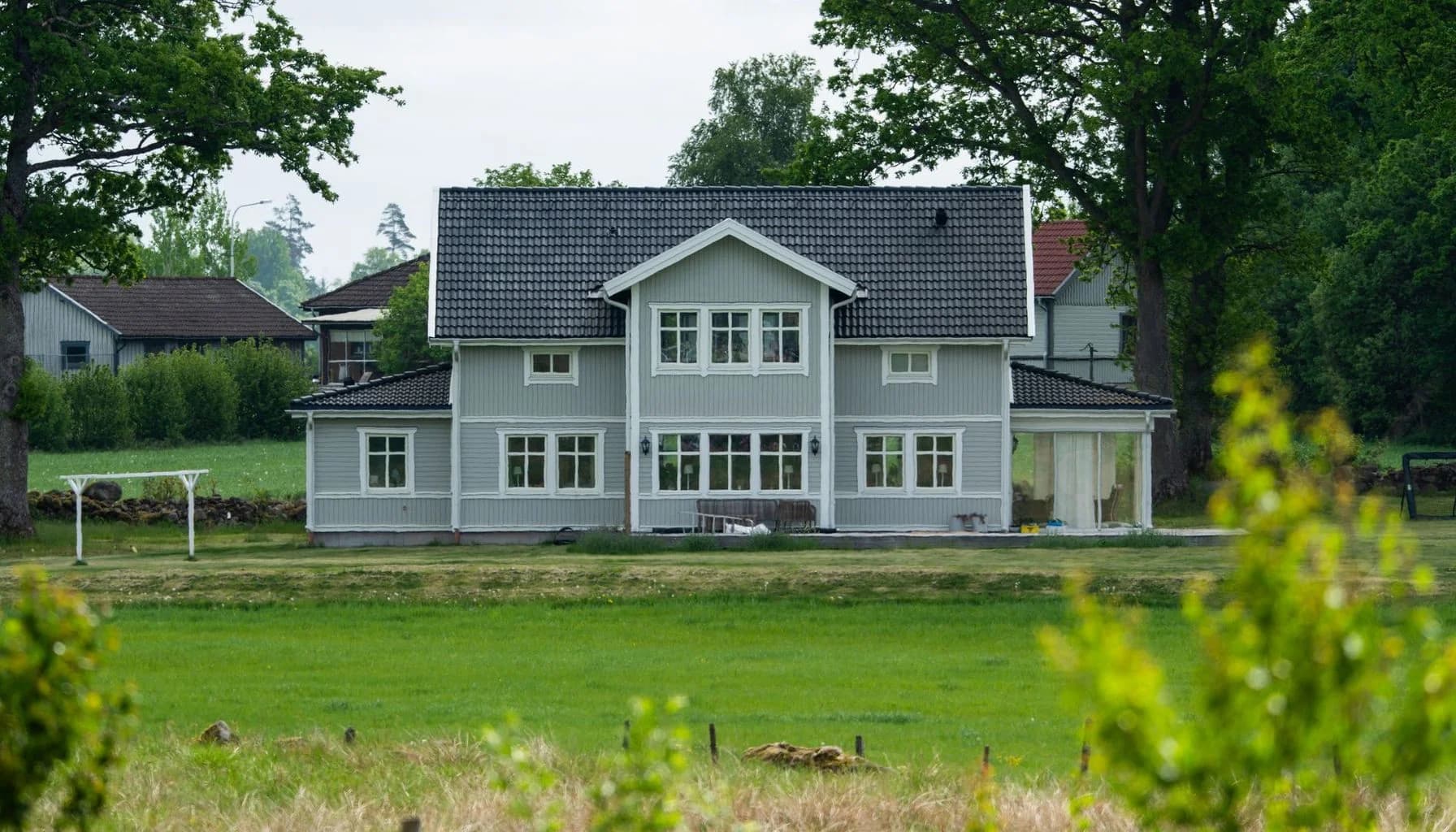
Timber properties can vary significantly in construction style, which influences mortgage eligibility. Fully timber structures, such as log cabins, typically face more scrutiny from lenders. In contrast, properties constructed with Swedish timber or chalet-style homes are classified as ‘non-standard construction.’ These classifications affect lender appetite and the terms of any mortgage offered.
Why Are Timber-Built Properties More Difficult to Finance?
Lenders often express concerns about several factors related to timber-built properties, including:
- Fire Risk: Timber is more susceptible to fire damage, raising concerns about safety and insurance.
- Durability and Lifespan: The longevity of timber structures can be questioned, impacting resale value.
- Resale Value: If a property is repossessed, it may be harder to sell, making lenders cautious.
- Maintenance Requirements: Timber properties may require more upkeep, which can deter some buyers.
What This Means for Borrowers Seeking a Mortgage
For those looking to purchase a timber-built property, it’s important to be aware that standard high street lenders may not offer competitive rates. Instead, borrowers might need to seek out building societies or specialist lenders who have more flexible underwriting criteria. Factors such as the surveyor’s report, construction type, location, deposit size, and the borrower’s financial profile will all play significant roles in mortgage approval. For more information on mortgage options, check out our residential mortgages.