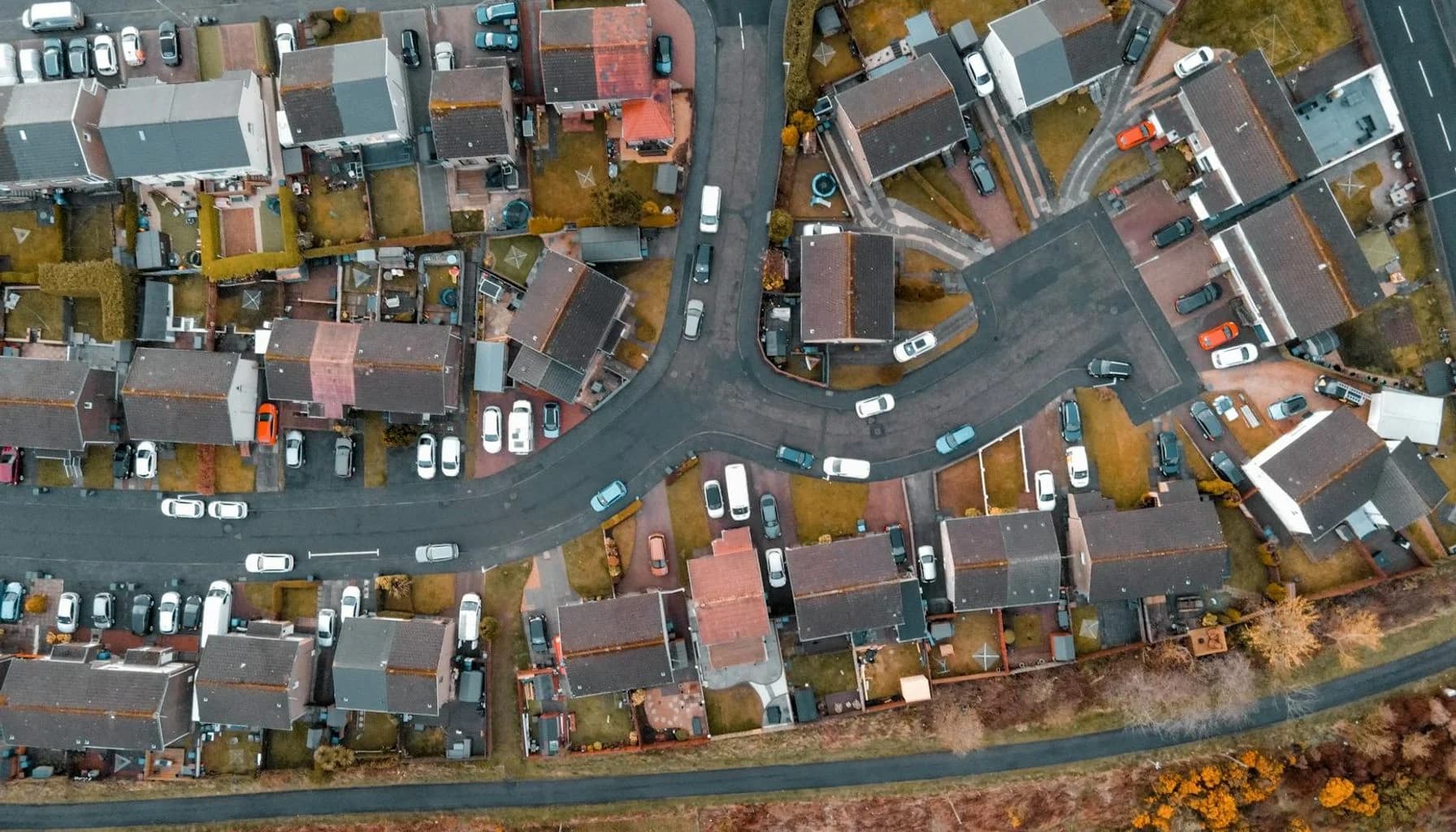
As of April 2026, Zoopla’s house price index reveals a steady UK house price inflation rate of 1.3%, down from 1.8% a year ago. The average price of a UK home now stands at £271,700. This article examines the implications of these figures for homeowners and potential buyers, with a focus on the North East, the North West, Scotland and Northern Ireland, which are currently leading in terms of house price growth.
Regional House Price Trends
North East and North West
The North East has seen a 3.2% increase YoY, closely followed by the North West at 3.1%. Cities such as Liverpool are experiencing strong price growth, with an increase of 4.5% YoY. For instance, a homeowner in Liverpool with a £200,000 repayment mortgage at 75% LTV would see an increase in their property’s value by £9,000 over the year, potentially impacting their loan-to-value ratio and remortgage prospects.
Scotland and Northern Ireland
Scotland has seen a 2.6% increase in house prices, while Northern Ireland leads the UK with a 6.7% increase. This means, for a first-time buyer in Northern Ireland purchasing a property at the average price of £150,000 with a 90% LTV, the property value would have increased by £10,050 over the year, which could affect affordability calculations and deposit requirements.
House Price Trends in London and the South
London and the South East
London and the South East are both seeing prices fall marginally at -0.2%. For example, a homeowner in London with a £500,000 residential mortgage may see a decrease in their property’s value by £1,000 over the year, which could affect their equity position and remortgage options.
South West
The South West is barely in positive territory with a 0.1% increase in house prices. This marginal increase means that a homeowner in the South West with a £300,000 mortgage could see their property value increase by £300 over the year, which may have a minimal impact on their mortgage situation.
Market Context
These figures come amidst a backdrop of a 3.75% base rate set by the Bank of England, and an average time to sell a property increasing by just one day, indicating that activity has remained steady despite external pressures such as conflict in the Middle East and mortgage rate pressures.