Recent research from specialist lender Together reveals that over 1.5 million homes in the UK may be deemed “unmortgageable” by mainstream lenders. This situation arises from various factors that fall outside the typical lending criteria of high street banks, significantly impacting potential buyers and investors.
What Makes a Home Unmortgageable?
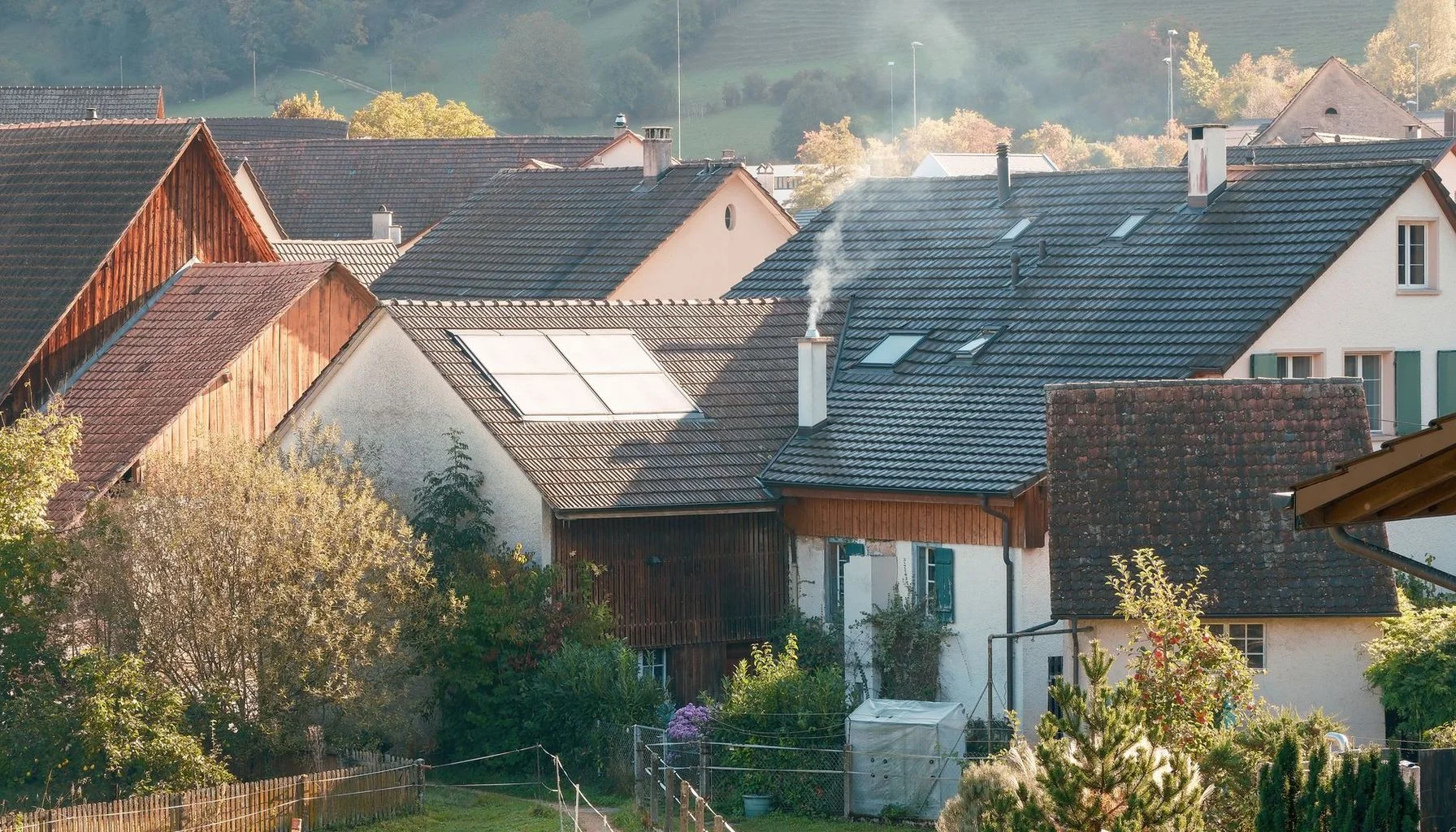
According to Together’s findings, approximately 6% of the UK’s 28 million residential properties are considered unfit for standard mortgage applications. Key factors contributing to this classification include thatched roofs, short leases, solid-wall construction, high-rise locations, and proximity to commercial premises. Additionally, properties lacking essential amenities like a functioning kitchen or bathroom are also affected.
Who is Affected by This Classification?
The implications of these findings extend to various groups, including first-time buyers, landlords, and property investors. Among those who have considered purchasing such properties, 44% believe these homes offer better value compared to conventional options. Furthermore, 31% are interested in renovation projects, while 28% view these properties as opportunities to increase value before resale.
What This Means for Buyers and Investors
For potential buyers, the classification of homes as unmortgageable can significantly narrow their choices. Over a quarter of prospective buyers (28%) cited lower purchase prices as a primary incentive for pursuing these properties. However, 21% of buyers have faced mortgage application rejections, and 32% reported limited lender options willing to consider their applications. This trend may create challenges for those looking to enter the property market, particularly in areas with a high concentration of such homes.