The Intermediary Mortgage Lenders Association (IMLA) has released a new report and a concise guide aimed at mortgage advisers to clarify the role of swap rates in fixed-rate mortgage pricing. This initiative comes in response to significant fluctuations in swap rates earlier this year, which have directly impacted the mortgage market.
What are swap rates and why do they matter?
Swap rates are essentially the cost of borrowing money for fixed periods, which lenders use to price fixed-rate mortgages. When swap rates increase, lenders typically pass these costs onto borrowers, resulting in higher fixed mortgage rates. The recent rise in swap rates has been attributed to geopolitical tensions, particularly involving the US, Israel, and Iran, which have created uncertainty in financial markets.
How have mortgage rates changed recently?
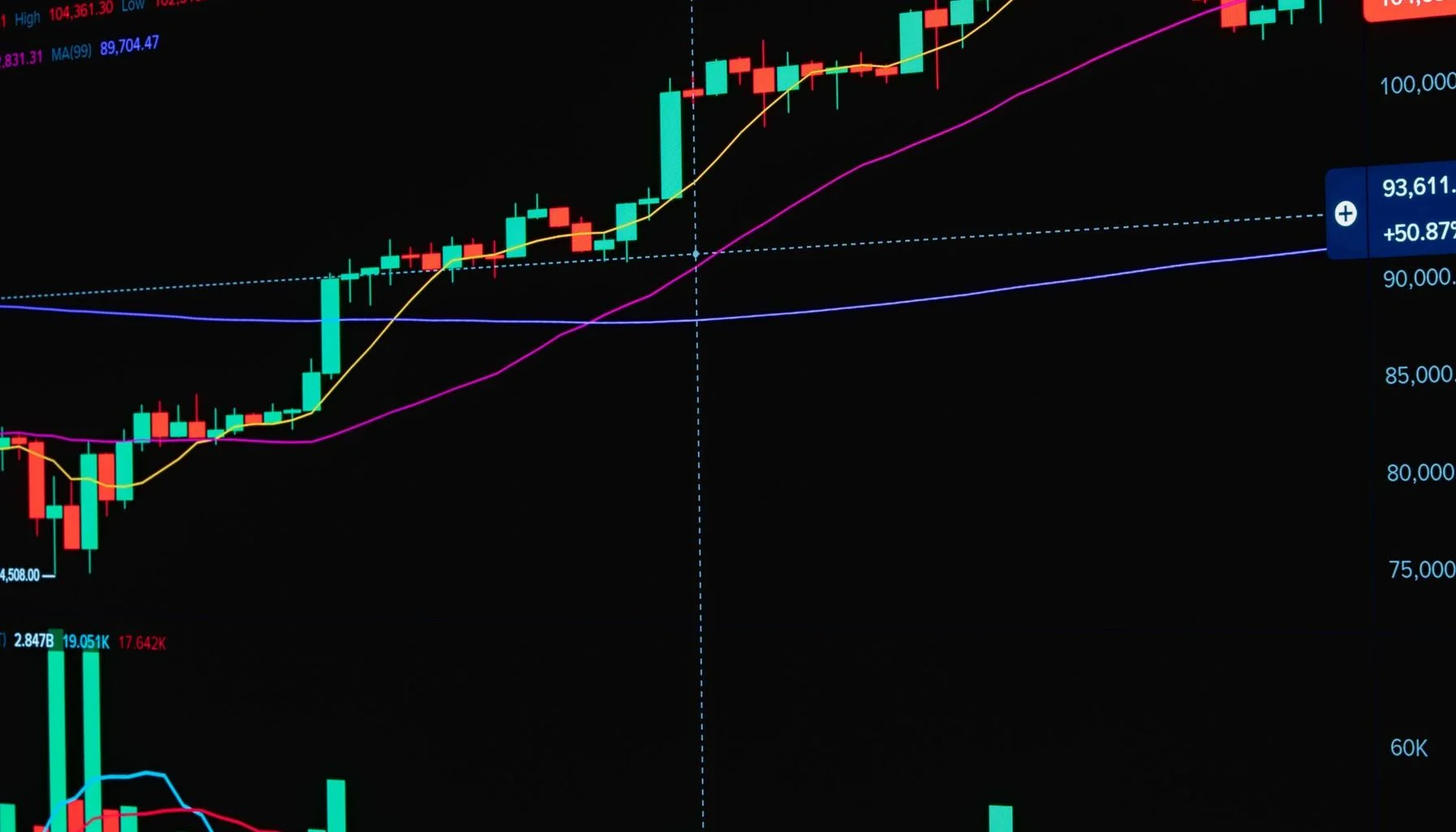
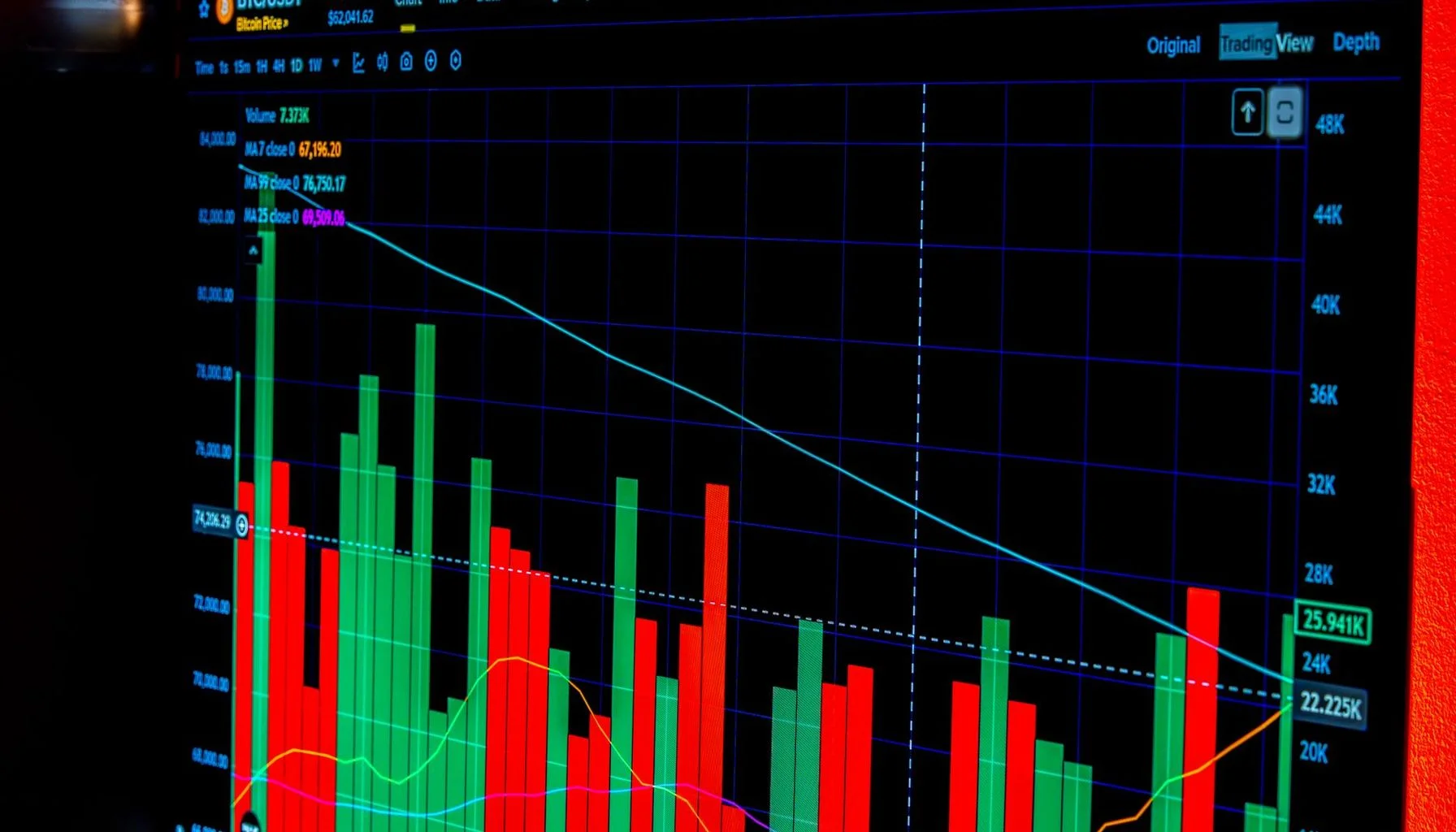
Between early March and early May 2026, two-year swap rates surged from approximately 3.6% to over 4.5%. This increase has led to a significant rise in the average two-year fixed mortgage rates, which jumped from 3.97% to 5.14%. This shift represents an increase of more than 1.1 percentage points, impacting borrowers looking for fixed-rate options.
What this means for the mortgage market
For borrowers, especially those considering fixed-rate mortgages, the recent increase in rates could lead to higher monthly payments and overall borrowing costs. Landlords may also feel the pinch as increased mortgage rates could affect their cash flow and investment strategies. It’s essential for both groups to stay informed about these changes and consider their options carefully, especially in light of the current economic climate.