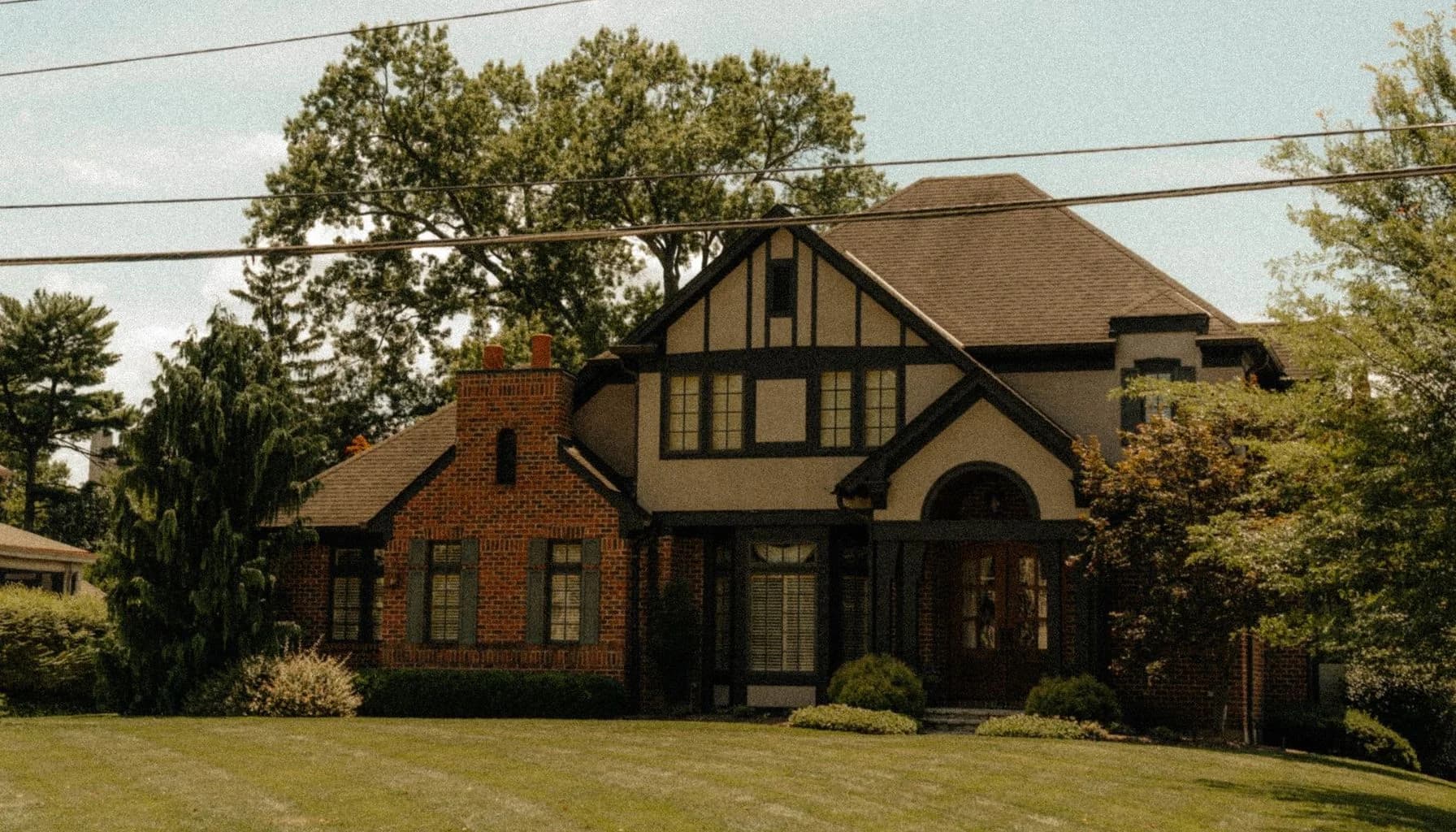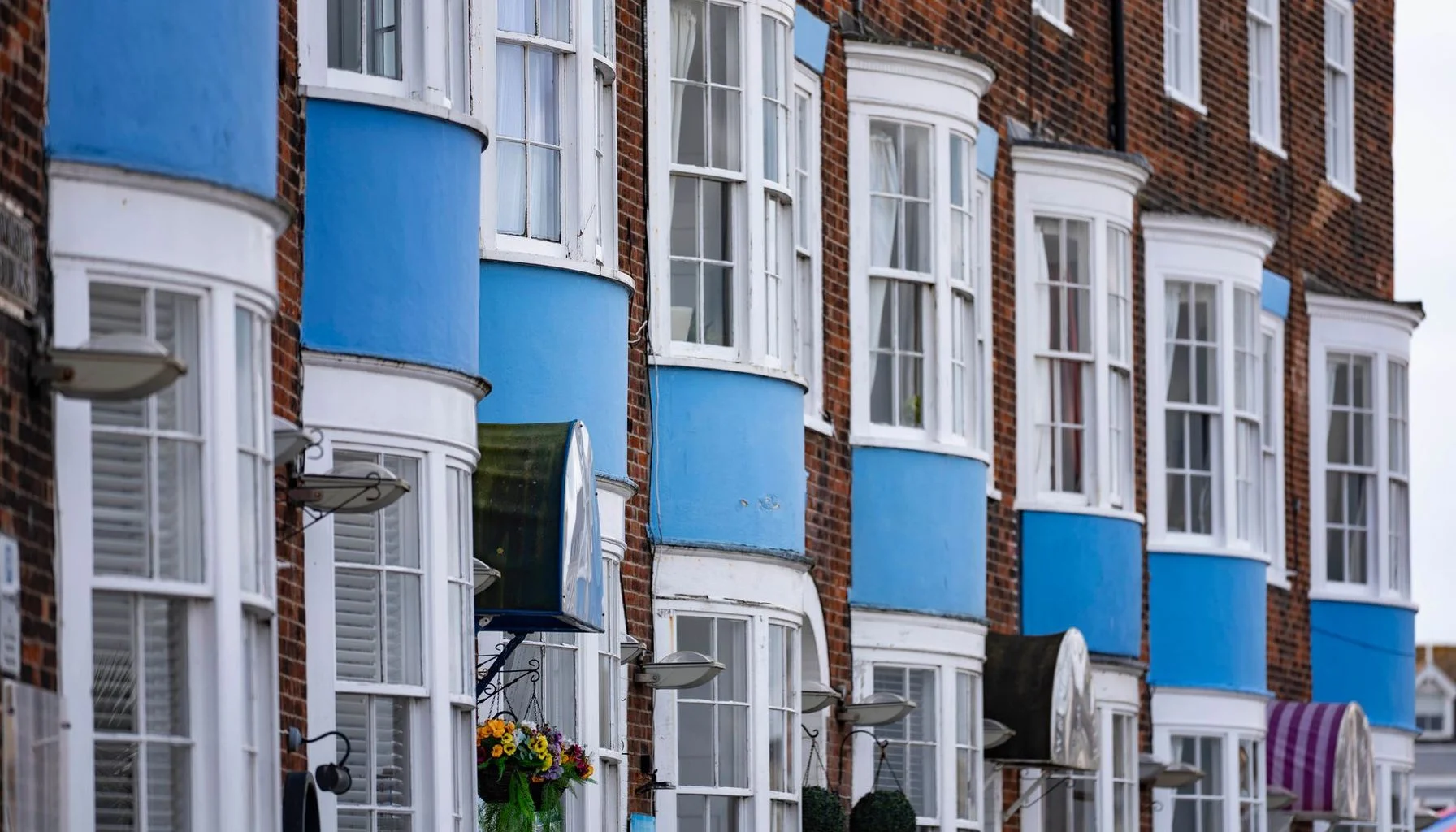
The disparity between house and flat prices in the UK has reached its highest level in three decades, with significant implications for buyers and investors. Insight from Zoopla reveals that while the average house price has surged significantly since 2016, flats have seen only a modest increase. This widening gap is particularly pronounced outside London, where houses are now much more expensive than flats.
What is the Current Price Gap Between Houses and Flats?
The average price of a flat in the UK stands at a certain figure, while the typical house is valued at a higher amount. This represents a stark contrast compared to a decade ago when houses were less expensive than flats. The current ratio has expanded significantly, especially outside of London, where houses are now much more costly than flats. The West Midlands has recorded the most significant gap, with houses costing considerably more than flats.
Why Are House Prices Rising Faster Than Flat Prices?
Several factors contribute to the differing price trajectories of houses and flats. The average house price has increased substantially due to high demand and limited supply, particularly in desirable areas. In contrast, flats have not experienced the same level of demand, partly due to the prevalence of leasehold arrangements. Zoopla’s analysis indicates that a large proportion of flats for sale in England are leasehold, which often comes with additional costs such as ground rent and service charges, discouraging potential buyers.
What This Means for First-Time Buyers
For first-time buyers, the widening gap between house and flat prices presents a dilemma. Many first-time buyers outside London are seeking three-bedroom houses, while a significant number of London first-time buyers prefer flats. The average time to sell a flat varies significantly; in Scotland, flats sell relatively quickly, while in England and Wales (excluding London), the average is longer, and in London, it takes even more time. This complexity in the flat-buying process may deter buyers, making houses a more attractive option despite their higher price.
What Should Investors Watch For?
Investors should pay attention to the implications of leasehold properties. The average leasehold running costs can vary significantly, which is a critical factor for lenders. If these costs exceed a certain threshold, it may complicate mortgage approvals, making it essential for investors to consider the financial implications of purchasing flats. Additionally, the stability of flat prices in Scotland, where the long leasehold system does not apply, suggests that regional differences will continue to play a significant role in property investment strategies.
Frequently Asked Questions
Why are flats less popular among first-time buyers?
Flats are often less popular due to the complexities associated with leasehold ownership, including ongoing costs like ground rent and service charges, which can deter potential buyers.
What impact do leasehold costs have on mortgage approvals?
High leasehold costs can make it more challenging to secure a mortgage, as lenders may scrutinise properties where costs exceed a certain percentage of their value, complicating the buying process.