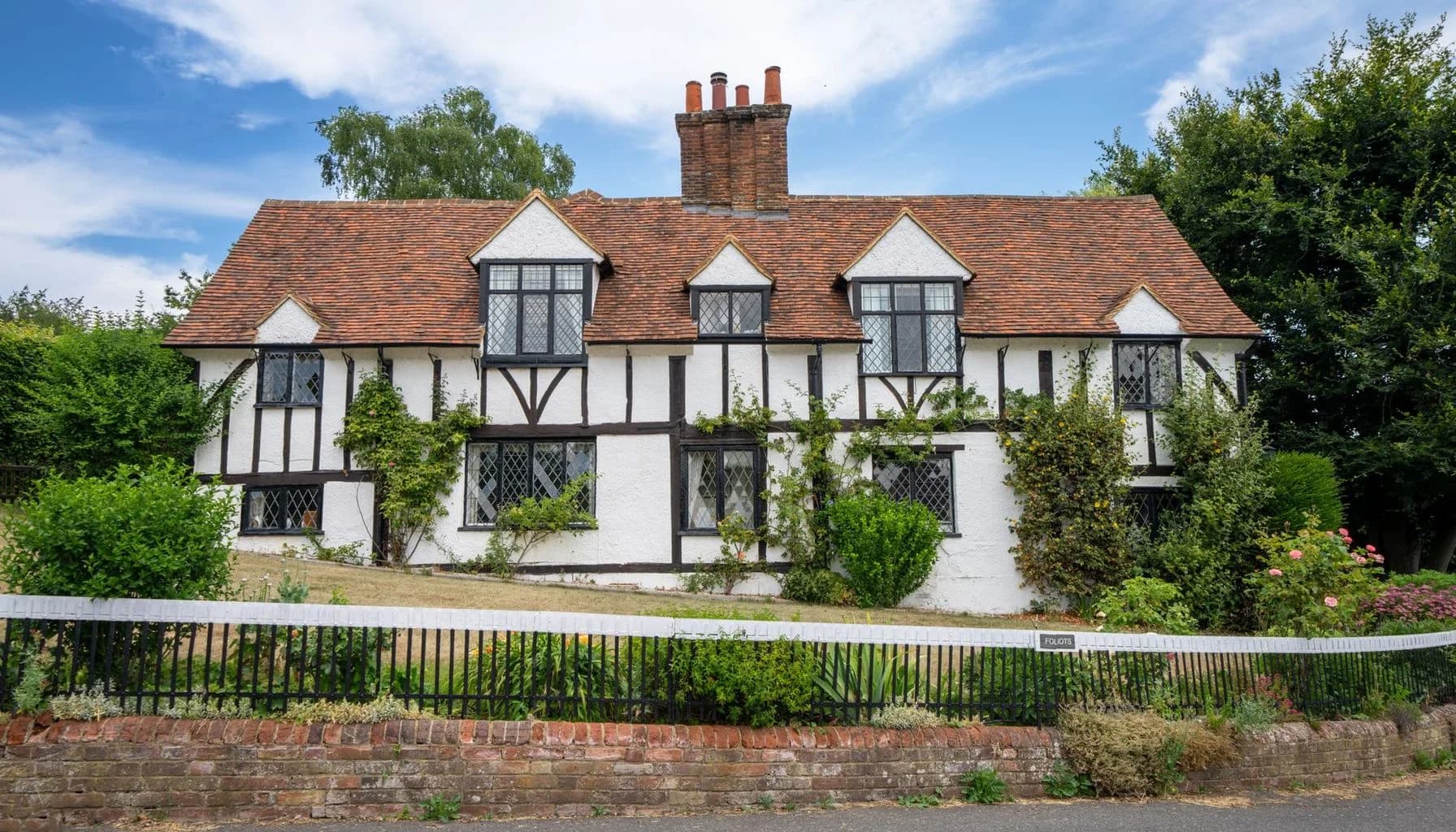
Recent research reveals that over 1.5 million homes in the UK are classified as ‘unmortgageable’ by mainstream lenders, impacting potential buyers and the overall mortgage market. This situation arises as these properties fall outside traditional lending criteria, making it challenging for many would-be homeowners to secure financing.
What makes a property ‘unmortgageable’?
Properties can be classified as unmortgageable for various reasons, including their construction type, lease length, or overall condition. Examples include thatched cottages, high-rise flats, and homes lacking essential amenities like functioning kitchens or bathrooms. These factors lead mainstream lenders to decline mortgage applications, limiting options for potential buyers.
Who is affected by this classification?
Approximately 6% of the UK’s 28 million residential properties fall into the unmortgageable category. This situation particularly affects first-time buyers and investors looking for properties that may require renovation or restoration. Among those who have considered purchasing such properties, many are motivated by the potential for value appreciation or lower purchase prices. For instance, 28% of respondents cited lower costs as their primary attraction, while 35% of buy-to-let investors were drawn by the prospect of rental income.
What this means for the mortgage market
For buyers and investors, the implications of this classification are significant. Many individuals are willing to embrace the challenges associated with unmortgageable properties, with 31% indicating that they see a worthwhile risk-to-reward ratio. Despite the hurdles, nearly a third of respondents reported having faced rejections from mortgage applications, highlighting the limited pool of lenders willing to consider these properties. As a result, buyers may need to explore alternative financing options or be prepared for a more complex purchasing process.
What are the motivations behind purchasing unmortgageable properties?
Despite the challenges, many buyers perceive unmortgageable properties as an opportunity. About 44% believe these homes offer better value for money compared to traditional properties. Additionally, 31% are motivated by the chance to renovate or restore a property, while 28% aim to add value before selling it for profit. This trend indicates a growing interest in properties that may require additional investment but hold the promise of significant returns.
Frequently asked questions
What should buyers consider when looking at unmortgageable properties?
Buyers should carefully assess the condition of the property, the costs associated with necessary renovations, and the availability of alternative financing options. Understanding the risks and potential rewards is important.
How can investors finance unmortgageable properties?
Investors may need to explore specialist lenders or alternative financing solutions, such as bridging loans, which are more open to considering properties that do not meet mainstream lending criteria.