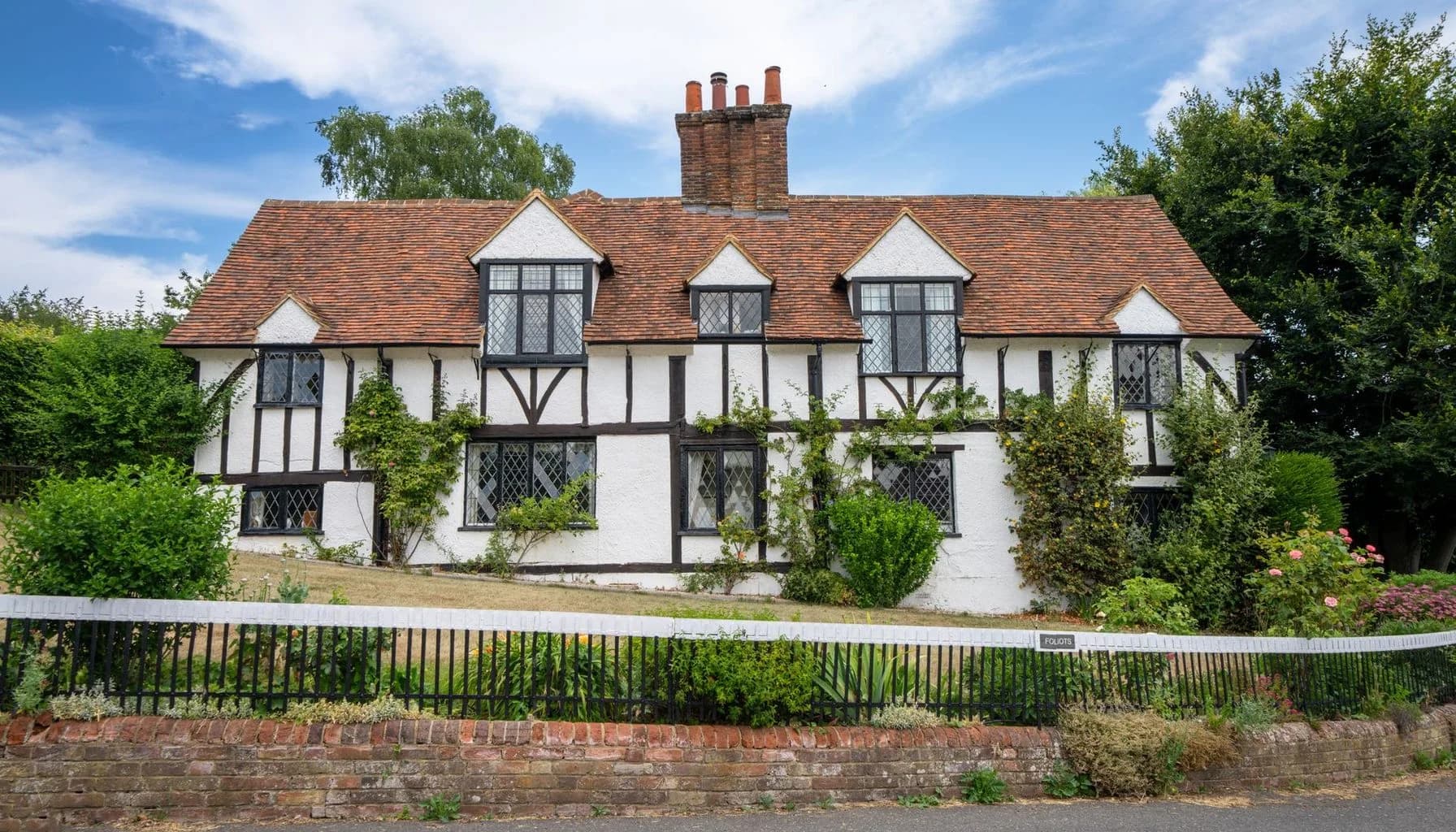
Recent research reveals that over 1.5 million homes in the UK are considered ‘unmortgageable’ by mainstream lenders, highlighting a significant challenge in the mortgage market. This situation affects a notable portion of the housing stock, as approximately 6% of the UK’s 28 million residential properties may struggle to secure traditional mortgage finance.
Why Are Homes Deemed Unmortgageable?
Properties can be classified as unmortgageable for several reasons, including construction type, lease length, and overall condition. Common examples include thatched cottages, high-rise flats, and homes situated near commercial premises. Additionally, properties lacking essential amenities, such as functioning kitchens or bathrooms, may also face rejection from lenders. These criteria create significant barriers for potential buyers looking to secure mortgage finance.
Who Is Affected by This Trend?
This classification impacts a wide range of stakeholders in the property market. First-time buyers and investors may find themselves drawn to these properties due to their lower purchase prices or potential for renovation. In fact, 44% of those who considered buying an unmortgageable property believed it offered better value for money than traditional options. For buy-to-let investors, the prospect of rental income remains a significant incentive, with 35% citing it as their primary motivation.
What Should Buyers and Investors Watch For?
Potential buyers should be aware that nearly one in five respondents reported having a mortgage application rejected due to their property’s classification. Furthermore, 32% indicated they had access to a limited pool of lenders willing to consider their applications. This situation suggests that buyers need to conduct thorough research and possibly seek alternative financing solutions, such as specialist lenders who may cater to unmortgageable properties.
What This Means for Landlords and Investors in the Mortgage Market
Landlords and property investors should consider the risks and rewards associated with purchasing unmortgageable properties. While the lower purchase prices can be attractive, the potential challenges in securing financing and the need for renovations could complicate investment strategies. However, 31% of buyers felt that the risk-to-reward ratio was worthwhile, indicating that there are opportunities for those willing to navigate the complexities of this market. For those looking to explore financing options, checking current mortgage rates may provide insight into available products.
Frequently asked questions
What types of properties are often deemed unmortgageable?
Properties such as thatched cottages, high-rise flats, and homes without essential amenities like kitchens or bathrooms are commonly classified as unmortgageable by mainstream lenders.
How can buyers finance unmortgageable properties?
Buyers may need to seek alternative financing options, such as specialist lenders who focus on properties that do not meet traditional mortgage criteria, as mainstream lenders may reject their applications.