Securing a mortgage on a timber-built property can be challenging, as many lenders view such constructions as non-standard. Understanding the implications of timber construction is essential for potential buyers and investors.
Can You Get a Mortgage on Timber-Built Properties?
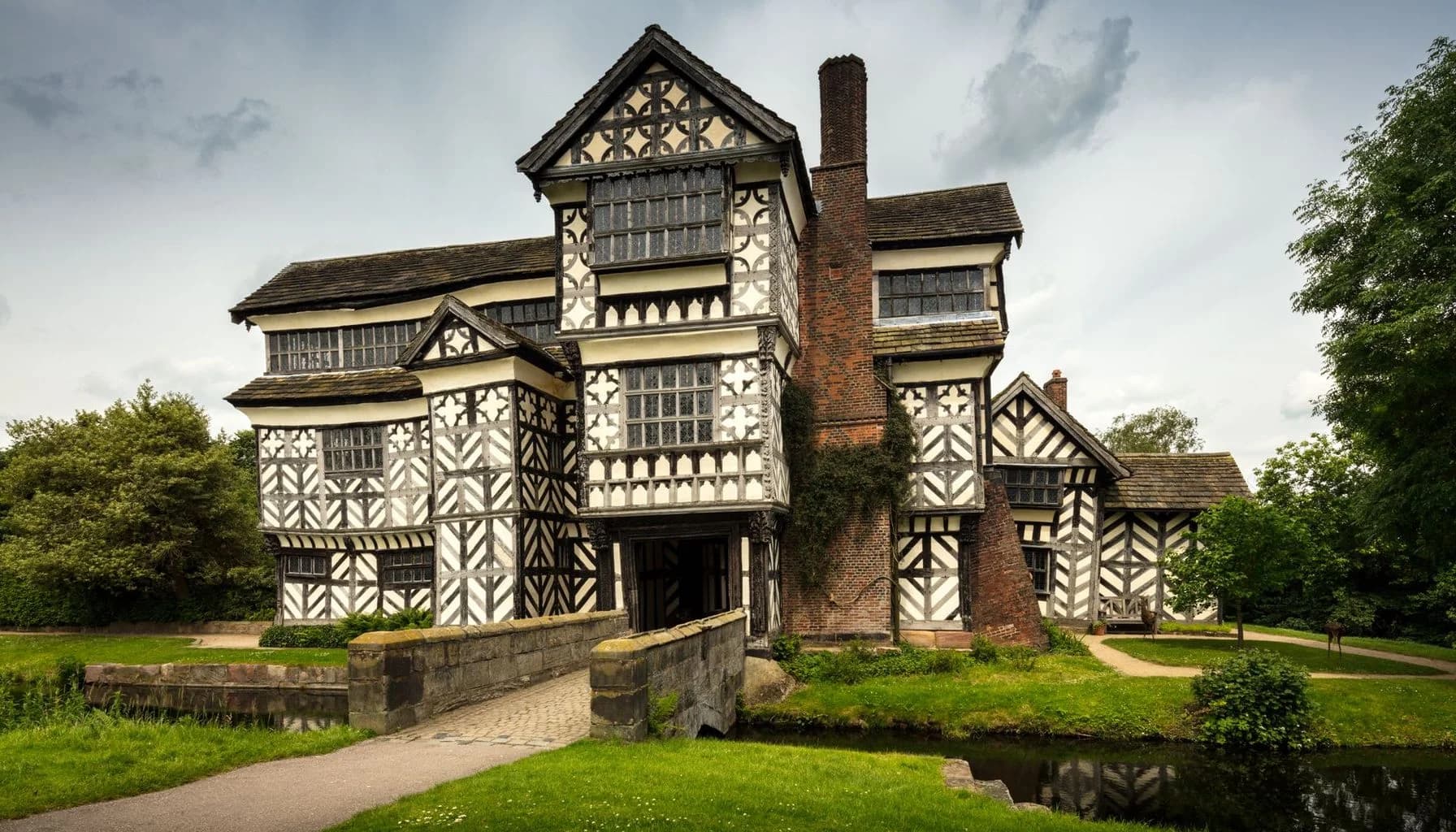
Yes, it is possible to obtain a mortgage on a timber-built property, but restrictions apply based on the construction type. Fully timber properties, like log cabins, are generally more difficult to finance. In contrast, properties made from Swedish timber or chalet-style kit homes fall under the category of ‘non-standard construction,’ which lenders typically approach with caution.
What Factors Do Lenders Consider?
Lenders evaluate several key factors when assessing timber-built properties for mortgages:
- Fire Risk: Timber structures may pose a higher fire risk, which is a significant concern for lenders.
- Durability & Lifespan: The longevity and maintenance needs of timber constructions can influence lender decisions.
- Resale Value: Properties that are harder to sell in the event of repossession may deter lenders.
- Maintenance Requirements: Higher maintenance costs can impact the overall financial viability of the property.
What This Means for Borrowers and Investors
For borrowers interested in timber-built properties, it is important to be prepared for a potentially lengthy mortgage process. High street lenders may not offer standard rates for these types of properties, often requiring a larger deposit and a more in-depth evaluation from a surveyor. Building societies and specialist lenders may provide more flexible options, but borrowers should be aware that their broker’s panel of lenders could be limited.