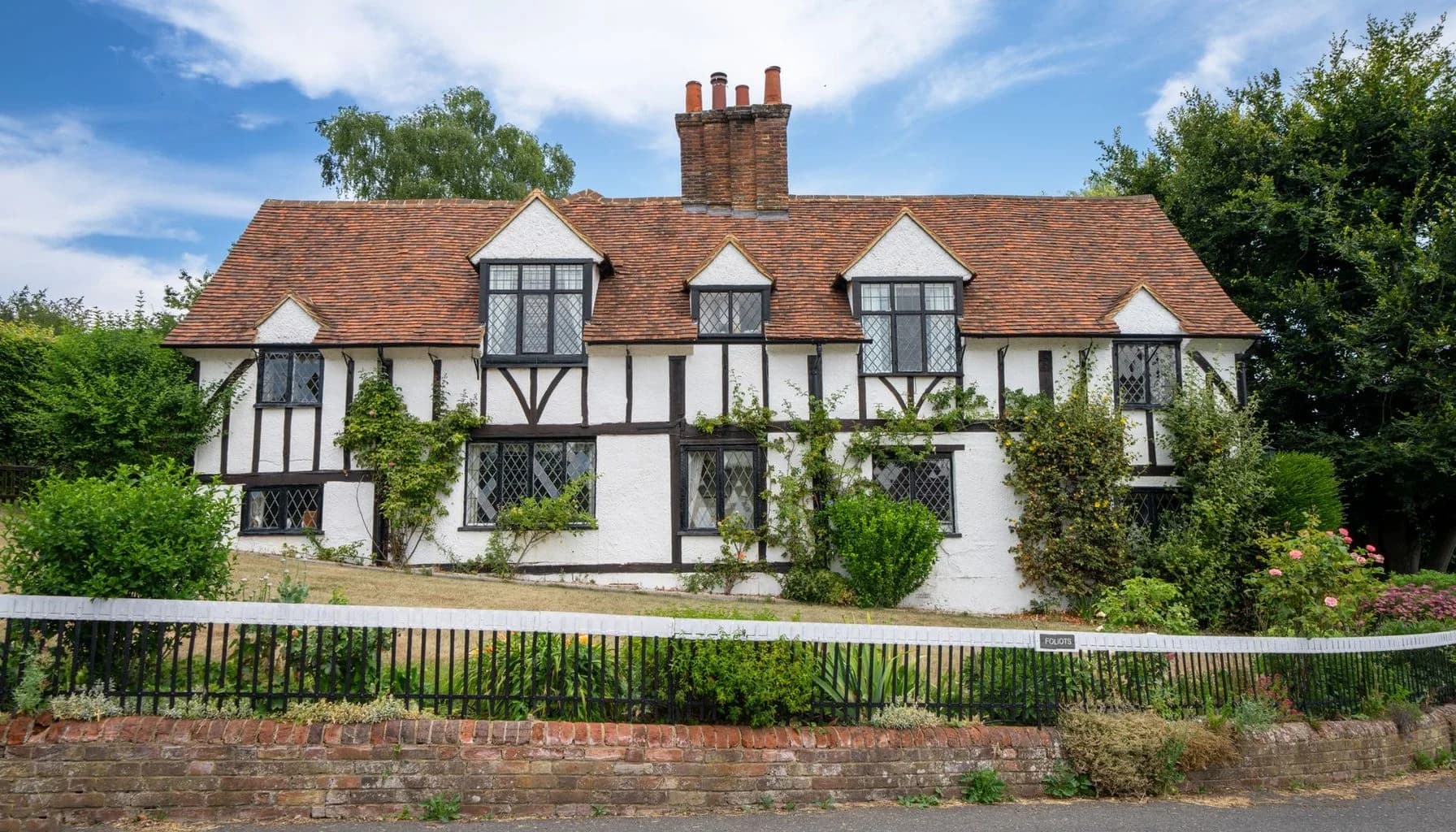
Obtaining a mortgage for a timber-built property can be challenging, but it is possible. The type of timber construction plays a significant role in determining mortgage availability and terms, which is important for prospective buyers and investors.
Can You Get a Mortgage on a Timber-Built Property?
Yes, you can secure a mortgage on a timber-built property, but the options are more restricted compared to traditional brick-and-mortar homes. Fully timber constructions, such as log cabins, face greater scrutiny from lenders. Properties classified as ‘non-standard construction,’ which includes Swedish timber and chalet-style homes, may also be harder to finance.
What Do Lenders Consider?
When evaluating timber-built properties, lenders assess several factors:
- Fire Risk: Timber properties may pose higher fire hazards compared to conventional builds.
- Durability & Lifespan: The long-term viability of timber structures can affect lender confidence.
- Resale Value: Properties that are harder to sell if repossessed can be a concern for lenders.
- Maintenance Requirements: The upkeep of timber properties may influence lending decisions.
What This Means for Borrowers and Investors
For borrowers looking to purchase a timber-built home, the mortgage process may require a larger deposit and could involve higher interest rates. High street lenders often shy away from such properties, making it essential to consult with building societies or specialist lenders who have more flexible underwriting criteria. Engaging a knowledgeable mortgage broker can help navigate the limited options available and provide access to a wider range of lenders.
Frequently Asked Questions
What types of timber constructions are more likely to get approved?
Properties like Swedish timber homes or chalet-style constructions may be more accepted than fully timber structures like log cabins, but they still fall under non-standard construction.
Do I need a surveyor’s report for a timber-built property mortgage?
Yes, a surveyor’s report is critical as it provides detailed insights into the property’s condition, which lenders will heavily rely on during the assessment process.