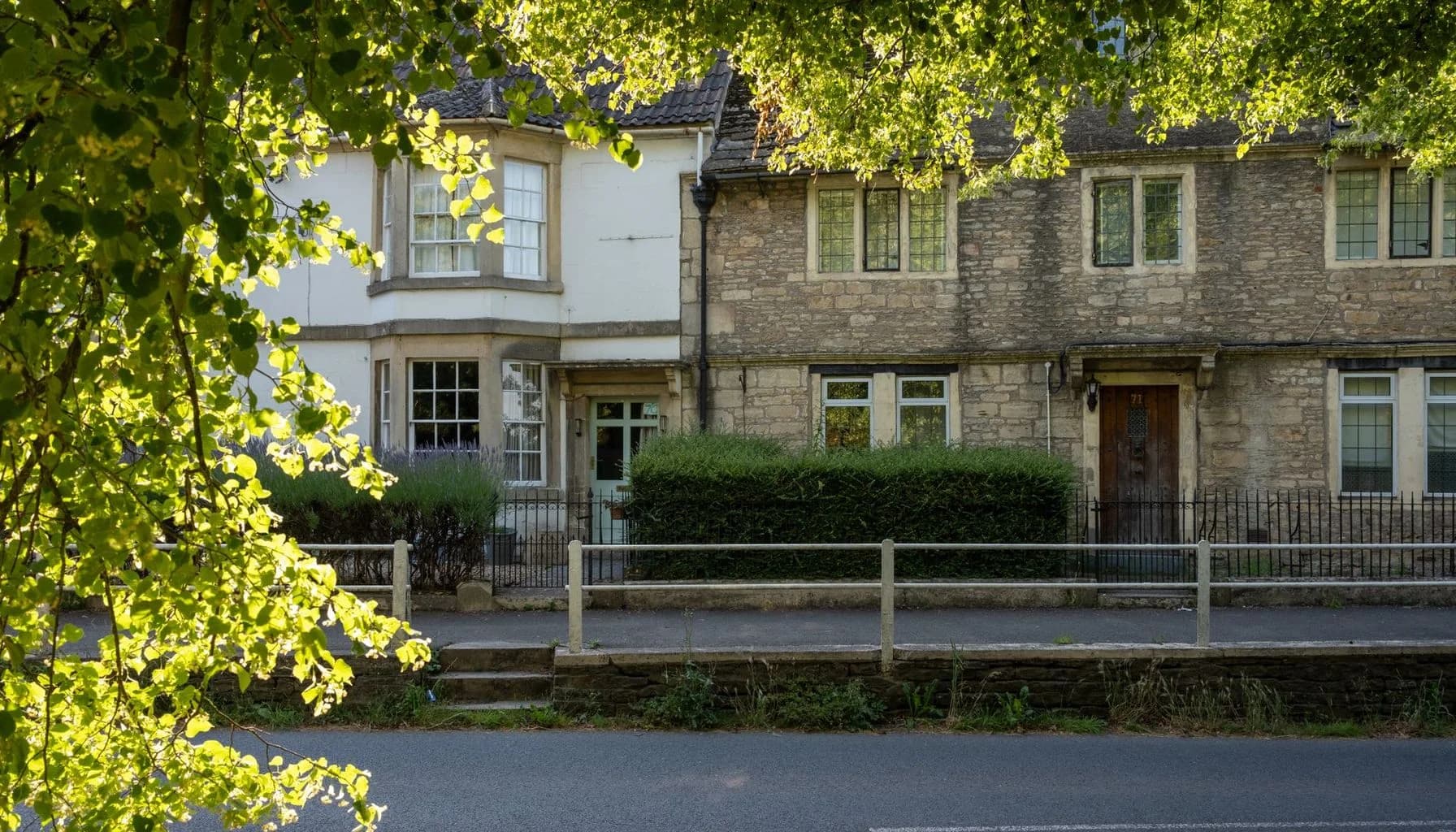
The UK mortgage market is witnessing significant shifts, particularly in commuter towns and among younger borrowers. Recent data shows a decline in property prices in several commuter areas around London, while younger adults increasingly rely on AI for mortgage advice. These trends highlight changing buyer preferences and the evolving role of technology in financial decision-making.
What are the latest trends in the mortgage market?
According to Rightmove, average asking prices have fallen across 11 commuter towns surrounding London, with Haywards Heath experiencing the steepest decline at 4.8%. In contrast, more affordable areas near Glasgow and Manchester are seeing significant price increases, with Falkirk leading the way at a rise of 13.5%. This trend suggests that buyers are increasingly looking for better value in regions where property prices are lower, reflecting a shift in demand towards more affordable housing options.
How is technology influencing the mortgage market?
A recent report from Lloyds Banking Group indicates that young adults are increasingly turning to artificial intelligence (AI) for financial guidance, with 28% of users aged 35 to 44 seeking mortgage advice through these digital tools. The most enthusiastic AI users are aged 18 to 24, suggesting a generational shift in how financial advice is accessed. This trend highlights the importance of integrating technology with traditional financial knowledge, particularly as financial confidence appears to grow with age.
What does the rise in property searches mean for buyers?
Zoopla reports a 7% year-on-year increase in property searches, indicating a resurgence of buyer interest in the housing market ahead of the anticipated autumn rebound. This growth is noted across all UK regions for the first time in a year, suggesting a renewed confidence among potential buyers. As the market heats up, those looking to purchase should be prepared for increased competition and potentially rising prices.
What this means for landlords and investors in the mortgage market
Landlords should note the doubling of planning refusals for Houses in Multiple Occupation (HMOs) in England, which rose from 590 in 2021 to 1,203 in 2025. This increase, driven by councils implementing stricter Article 4 directions, may limit the availability of regulated shared housing, potentially reducing affordable options for tenants. Additionally, with almost half of UK buy-to-let properties now owned through companies, landlords with larger portfolios are increasingly adopting company structures to manage their investments. This trend is particularly pronounced in regions like the North East, Yorkshire, and Humberside.
Frequently asked questions
What are the implications of longer mortgage terms for young borrowers?
Two-thirds of borrowers under 30 are opting for mortgage terms of 30 to 40 years, compared to just 6% of those aged 40 to 49. While longer terms help manage monthly payments, they result in borrowers repaying their loans at an average age of 59, leading to higher overall interest costs.
How is the government addressing housing needs?
The UK government has announced nearly £10 billion in funding to create over 70,000 social and affordable homes, part of a broader £39 billion housing programme. This initiative aims to tackle issues like temporary accommodation and long council housing waiting lists, emphasizing the need for a balanced approach to social housing and affordable homeownership.