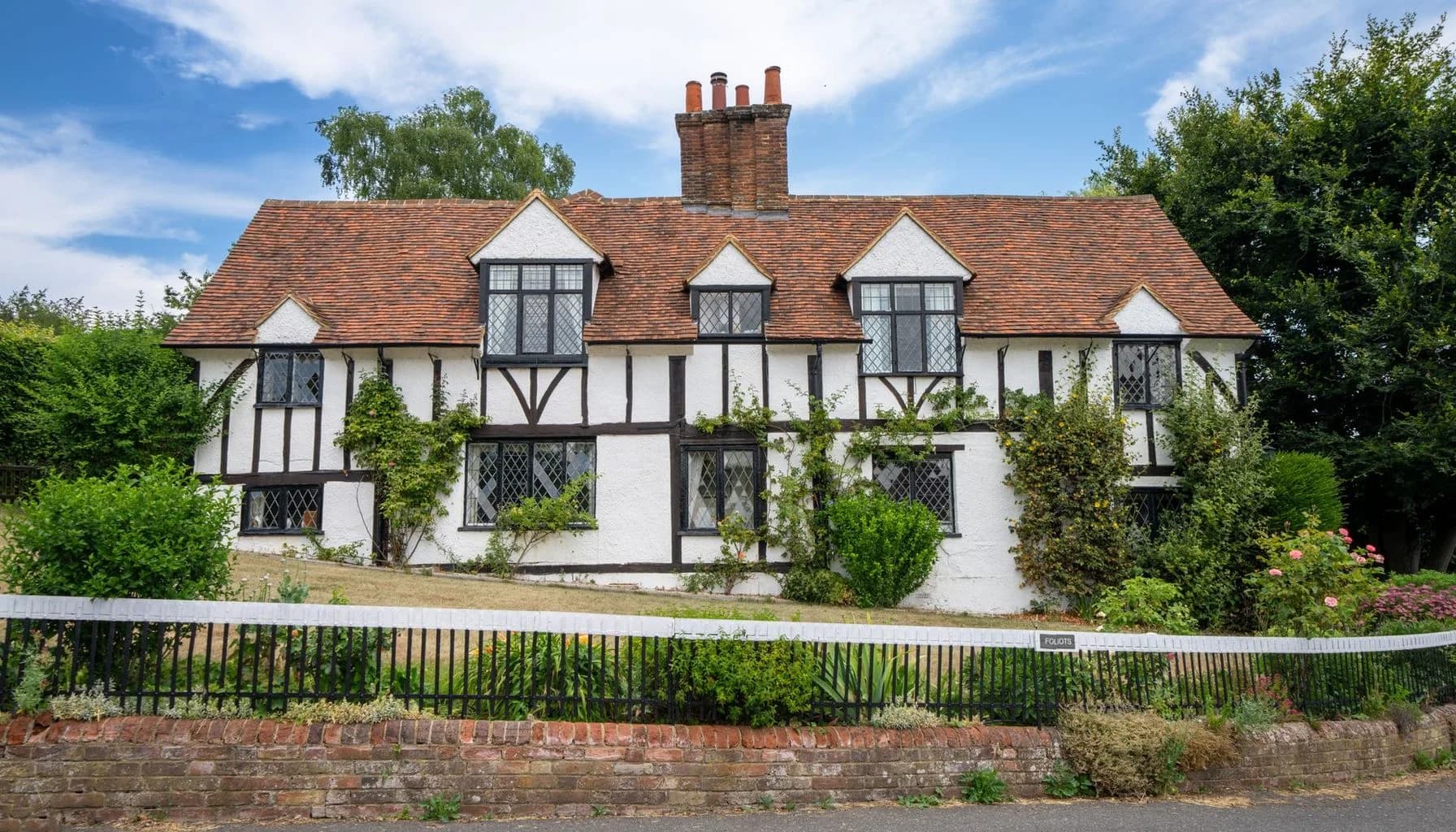
The latest data reveals that house price growth in the UK has significantly slowed, with an increase of just 0.1% in July. This marks a stark contrast to the previous month, where the average house price rose by 2.2% year-on-year. The current average property value stands at £277,542, indicating that the housing market is experiencing a period of subdued activity.
What is Causing the Slowdown in House Prices?
The recent slowdown in house price growth can be attributed to several factors, including high geopolitical tensions, particularly the ongoing conflict between Iran and the US, which has influenced energy prices and market interest rates. Additionally, the Bank of England’s decision to maintain interest rates at 3.75% has contributed to a cautious approach among potential buyers.
How Does This Affect Mortgage Borrowers?
For mortgage borrowers, the current market dynamics may present both challenges and opportunities. With house prices rising at a slower pace, potential buyers might find it easier to enter the market without facing the rapid price increases seen earlier in the year. However, the ongoing high interest rates could mean that mortgage costs remain elevated, affecting affordability. Borrowers should remain vigilant about the potential for lenders to adjust mortgage pricing as inflation trends evolve.
What Should Investors and Landlords Watch For?
Investors and landlords should keep a close eye on stock levels, which are currently at a 12-year high. The increase in available properties may lead to more competitive pricing, but it also suggests that serious buyers are not engaging at the same levels as earlier in the year. This could affect rental yields and property values in the longer term. Investors should also monitor how inflation trends impact the overall mortgage market, as easing inflation could lead to more competitive mortgage offers.
What This Means for First-Time Buyers
First-time buyers may find some relief in the current market conditions, as the modest increase in house prices could make homeownership more attainable. However, the high-interest environment means that securing a favourable mortgage deal is still important. First-time buyers should consider using tools like a mortgage calculator to assess their financial situation and explore their options.
Frequently Asked Questions
What are the current average house prices in the UK?
The average house price in the UK is currently £277,542, reflecting a 0.1% increase in July.
How do interest rates impact mortgage affordability?
Higher interest rates can lead to increased monthly mortgage payments, affecting overall affordability for borrowers and potentially dampening demand in the housing market.