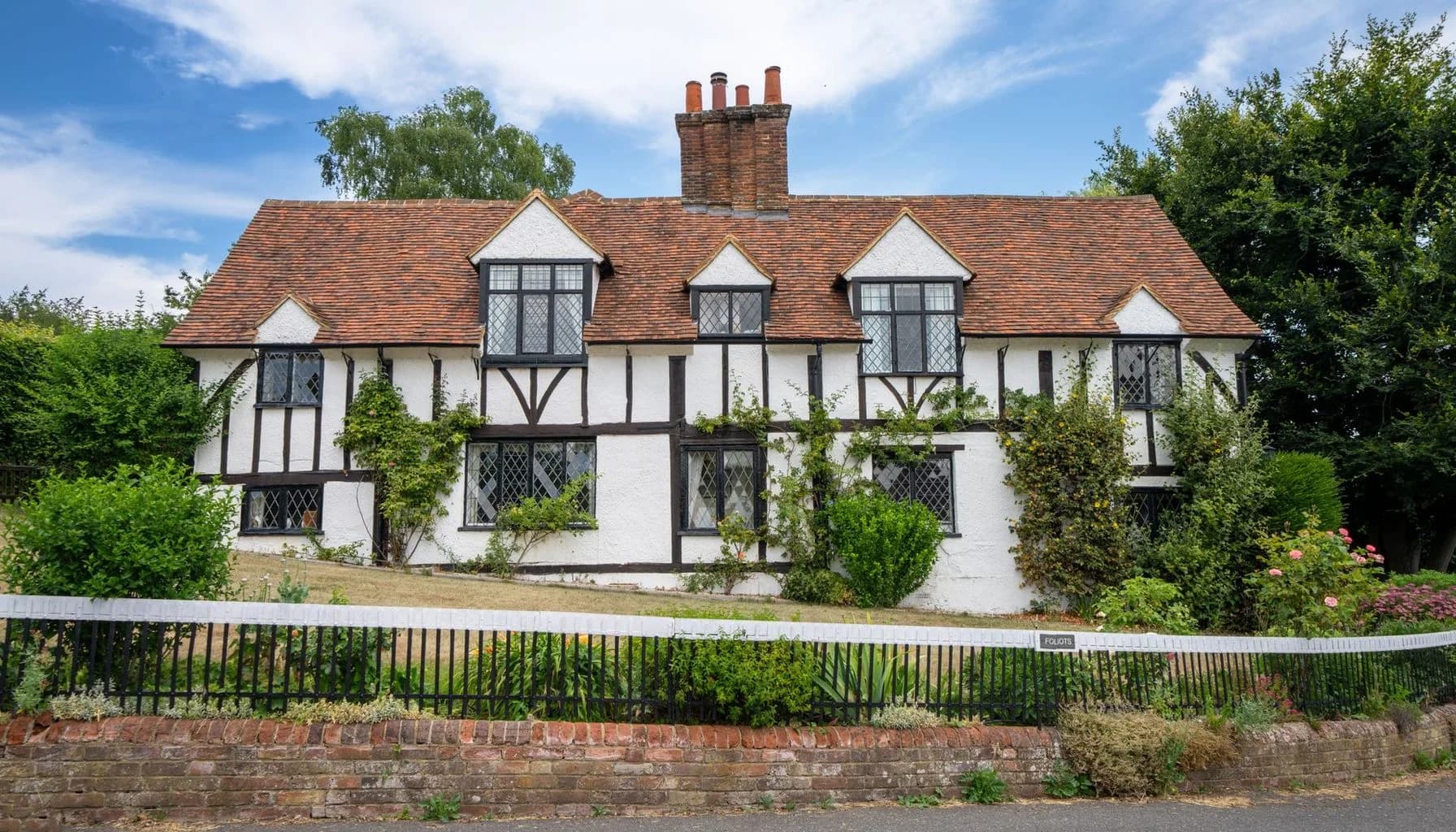
Recent trends in the UK mortgage market indicate a notable decline in property prices across 11 commuter towns in London, while more affordable areas near Glasgow and Manchester are experiencing significant growth. This shift highlights changing buyer preferences as individuals seek better value in housing options.
What is Happening with Property Prices in the Mortgage Market?
According to Rightmove, average asking prices have fallen in several commuter belt towns around London. Notably, Haywards Heath experienced the steepest decline at 4.8%. In contrast, areas like Falkirk have seen a surge in prices, with a remarkable increase of 13.5%. This trend indicates that buyers are prioritising affordability, leading to a shift in demand towards regions with lower property prices.
How Are Young Adults Using Technology for Mortgage Advice?
A recent report from Lloyds Banking Group reveals that 28% of young adults aged 35 to 44 are turning to artificial intelligence for mortgage advice. The most enthusiastic users of AI and digital financial tools are those aged 18 to 24. This trend suggests a growing reliance on technology to navigate the complexities of mortgage applications, although financial confidence appears to increase with age, indicating the need for a balance between tech and traditional financial knowledge.
What Does the Increase in Property Searches Mean for the Mortgage Market?
Zoopla reports a 7% year-on-year increase in property searches, suggesting a resurgence of home buyers in the market ahead of the autumn season. This growth is seen across all UK regions for the first time in a year, indicating a potential recovery in buyer sentiment and activity in the housing market, which could lead to increased competition and possibly stabilise prices.
What This Means for Borrowers and Investors in the Mortgage Market
For borrowers, particularly first-time buyers, the decline in prices in commuter towns may present new opportunities for affordable housing. The shift towards longer mortgage terms, with two-thirds of borrowers under 30 opting for terms of 30 to 40 years, helps manage affordability but could result in higher overall interest costs. Investors should note that almost half of buy-to-let properties are now owned through companies, with ownership through companies rising to 45.1% in Q3 2026. This trend suggests a strategic shift in how landlords are structuring their investments, particularly as portfolios grow.
Frequently Asked Questions
What are the implications of falling prices in commuter towns?
The decline in prices in commuter towns may provide first-time buyers with more affordable options, potentially increasing demand in these areas as buyers seek better value.
How is technology impacting mortgage advice for young adults?
Young adults are increasingly using AI for mortgage advice, reflecting a shift towards digital tools in financial management, though this may also highlight a gap in financial confidence among younger borrowers.