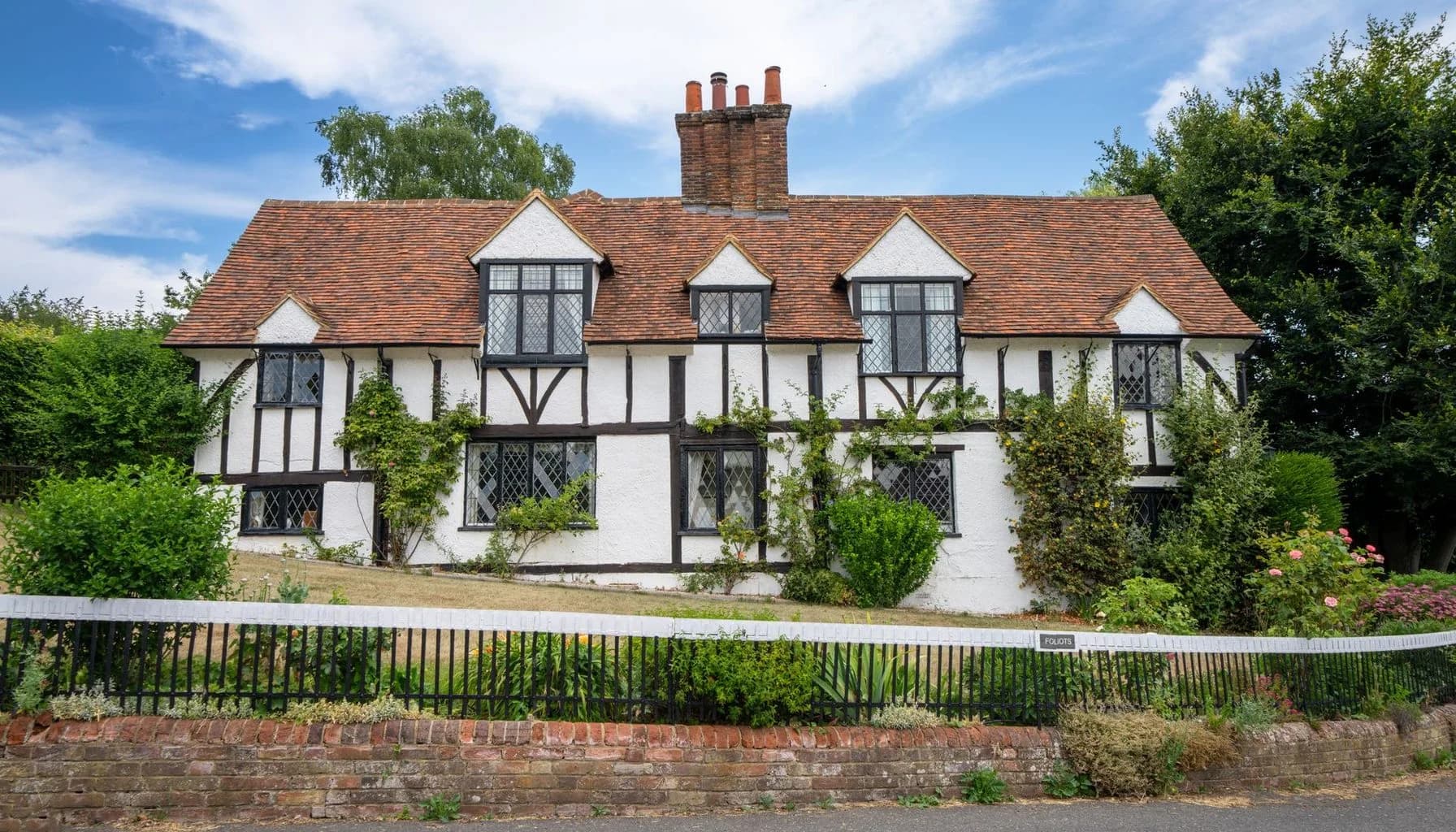
House prices in the UK have seen a modest increase of 0.2% in August, indicating a subdued property market according to Nationwide’s latest house price index. The annual growth rate has also slightly improved to 1.6%, up from 1.4% in July, with the average house price now standing at £275,465. This incremental rise comes amidst ongoing geopolitical tensions and anticipated interest rate changes, which could significantly impact buyers and the overall market.
Why Are House Prices Rising?
The slight increase in house prices is attributed to several factors, including ongoing geopolitical tensions, particularly in the Middle East, which have led to higher energy prices and market interest rates. These external pressures are influencing buyer sentiment and market dynamics. Additionally, the anticipation of a potential interest rate hike by the Bank of England could also be contributing to the current market behaviour, as buyers may rush to secure properties before rates increase further.
What Should Buyers Expect Next?
As the Bank of England prepares to meet on 17 September to discuss interest rates, many potential buyers are closely monitoring the situation. The market is currently pricing in the likelihood of another rate rise this year, which could affect mortgage affordability and borrowing costs. Buyers should be aware that rates may not have peaked, and it is advisable to stay informed about the outcomes of upcoming monetary policy decisions.
What This Means for Borrowers
For borrowers, the current market conditions suggest that while house prices are experiencing slight growth, the potential for rising interest rates could impact mortgage repayments. Those looking to secure a mortgage should consider acting promptly, as rates may increase following the Bank of England’s decision. Additionally, understanding the implications of these changes on overall borrowing costs is essential for making informed purchasing decisions.
How Do Geopolitical Events Affect the Housing Market?
Geopolitical tensions, especially those affecting energy prices, can have a direct impact on the housing market. Higher energy prices can lead to increased living costs, which may reduce disposable income and affect buyers’ ability to afford homes. Furthermore, uncertainty in global markets can lead to volatility in interest rates, influencing mortgage rates and overall buyer confidence. Keeping an eye on these developments is important for anyone involved in the property market.
Frequently Asked Questions
What are the current average house prices in the UK?
The average house price in the UK as of August 2026 is £275,465, reflecting a 1.6% increase over the past year.
How might interest rate changes affect my mortgage?
Potential interest rate increases could lead to higher mortgage repayments, impacting your overall affordability. It’s advisable to review your mortgage options and consider locking in rates if you are planning to buy soon.