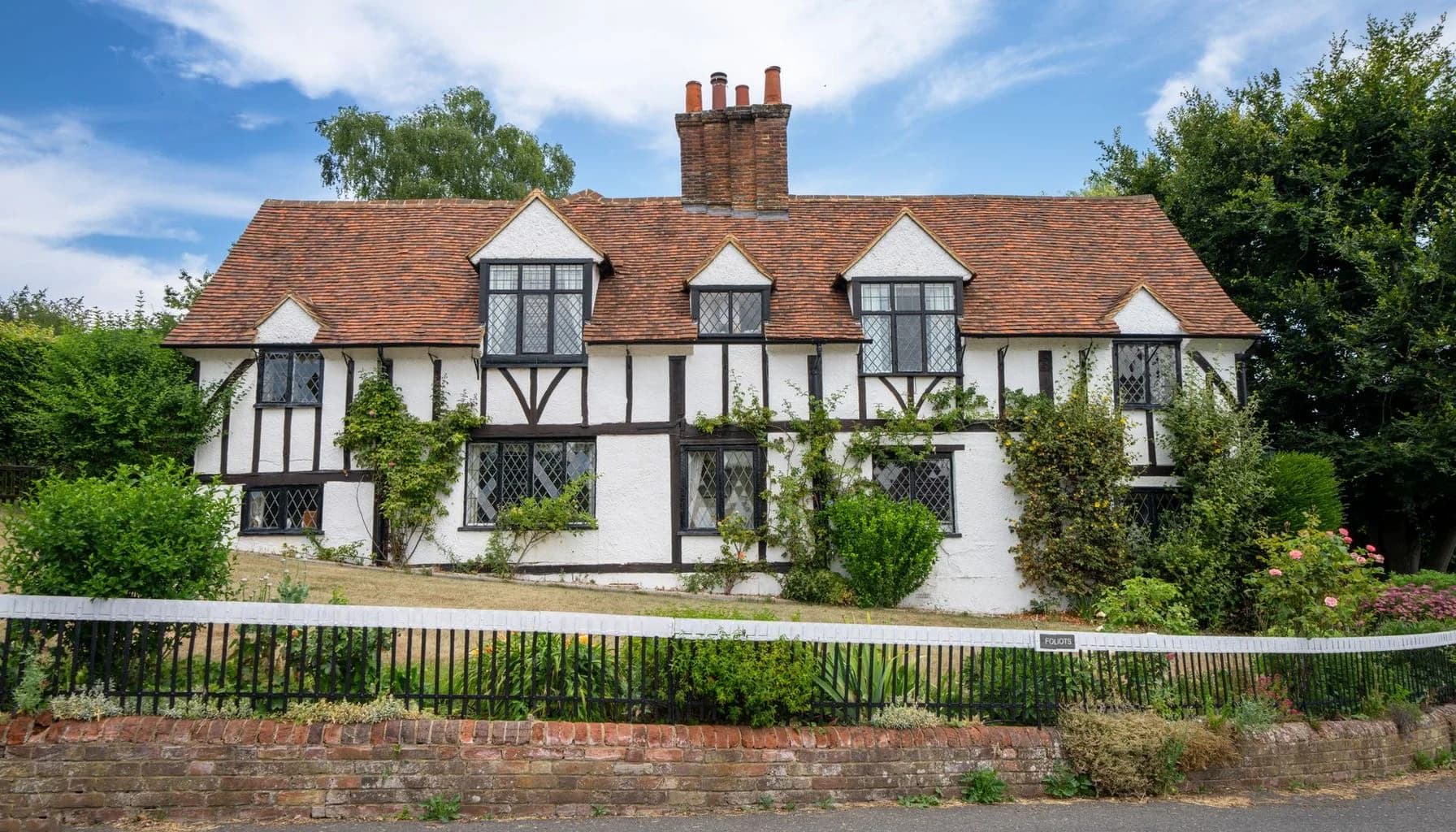
House prices in the UK have shown little movement in July 2026, with the average price holding steady at £299,253. This stagnation follows a modest increase of 0.2% in June and marks the slowest annual growth rate of just 0.1% in nearly three years, indicating a challenging environment for buyers and investors alike.
Why Are House Prices Flatlining?
The latest data from Lloyds reveals that the average house price has not changed since June, reflecting a broader trend of stability over the past two years. This period has seen prices fluctuating within a narrow range, now only 0.5% higher than in November 2024. The current economic climate, influenced by rising mortgage rates and ongoing affordability challenges, is likely contributing to this stagnation.
Which Regions Are Affected Most?
Regional disparities in house price growth continue to emerge. Northern Ireland leads with a notable annual increase of 7.4%, bringing the average property price to £231,131. Scotland follows with a 3.6% rise, while Wales sees a more modest growth of 1.6%. In contrast, the South East and Greater London experienced price declines of 2% and 1.3%, respectively, highlighting the uneven recovery across the UK.
What This Means for Buyers and Investors
For potential buyers and investors, the ongoing affordability issues remain a significant barrier. With mortgage rates having recently increased again, following a brief easing earlier in the summer, many first-time buyers may find it increasingly difficult to enter the market. Existing homeowners are also feeling the pinch as they navigate these financial pressures. However, experts suggest that with interest rates stabilising and inflation showing signs of decline, there may be a gradual improvement in buyer confidence as the year progresses.
What Should You Watch Next?
As the market adjusts to current economic conditions, stakeholders should monitor mortgage rate trends closely. The Bank of England’s decisions on interest rates will be pivotal in shaping future house price movements. Additionally, keep an eye on regional performance, particularly in Northern Ireland and Scotland, where growth continues to outpace other areas. Understanding these dynamics will be important for buyers, landlords, and investors alike.
Frequently asked questions
What are the current trends in UK house prices?
House prices in the UK have flatlined, with an average price of £299,253 in July 2026, reflecting the slowest annual growth rate in nearly three years.
How do regional differences affect house prices?
Regional differences are significant, with Northern Ireland seeing the highest growth at 7.4%, while areas like the South East and Greater London are experiencing declines, indicating varied market conditions.