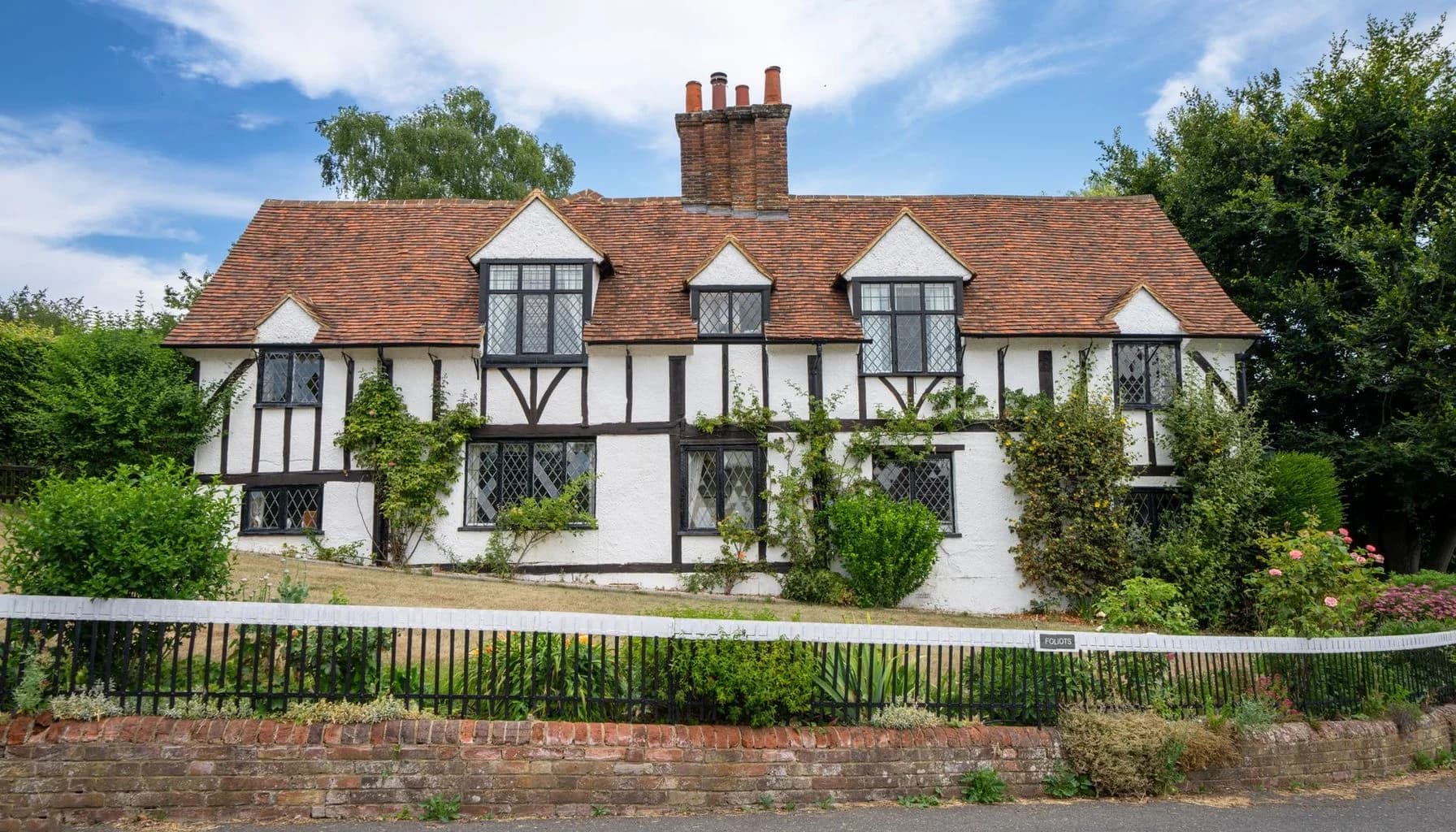
Recent research indicates that over 1.5 million homes in the UK are classified as ‘unmortgageable’ by mainstream lenders, significantly impacting the mortgage market. This situation arises from various factors including construction type, lease length, and property condition, which restrict many buyers from securing standard mortgage finance.
What Makes a Home Unmortgageable?
Properties can be deemed unmortgageable for several reasons. Common examples include thatched cottages, high-rise flats, and homes situated near commercial premises. Additionally, properties lacking essential amenities like functioning kitchens or bathrooms often fall into this category. These factors contribute to lenders’ reluctance to finance such properties, leaving many buyers without traditional mortgage options.
Who Is Affected by This Issue?
The implications of having 1.5 million homes classified as unmortgageable extend to various groups, including first-time buyers, investors, and landlords. A significant portion of buyers—44%—believe that these properties offer better value compared to more conventional homes. Among those considering these properties, 31% are motivated by the opportunity to renovate or restore, while 28% aim to increase property value before selling for profit.
What This Means for the Mortgage Market
For prospective buyers and investors, the classification of homes as unmortgageable presents both challenges and opportunities. Many buyers are drawn to the lower purchase prices associated with these properties, with 28% citing this as their primary motivation. For buy-to-let investors, the prospect of rental income is a significant incentive, with 35% of respondents highlighting this as their main attraction.
However, the challenges are evident; over 21% of respondents reported having mortgage applications rejected, and 32% found themselves with a limited pool of lenders willing to consider their applications. This situation underscores the need for buyers to be well-informed about the risks and rewards involved in pursuing unmortgageable properties.
What Should Buyers Watch Next?
As the mortgage market continues to evolve, potential buyers interested in unmortgageable properties should stay informed about changes in lending criteria and seek out alternative financing options. Engaging with specialist lenders or exploring renovation loans may provide viable pathways for securing funding. Additionally, understanding the local property market and assessing the potential for value appreciation will be important for making informed investment decisions.
Frequently asked questions
What types of properties are typically classified as unmortgageable?
Properties such as thatched cottages, high-rise flats, and those lacking essential amenities like kitchens or bathrooms are often deemed unmortgageable by mainstream lenders.
How can buyers secure financing for unmortgageable properties?
Buyers can explore alternative financing options, such as specialist lenders or renovation loans, to secure funding for unmortgageable properties.