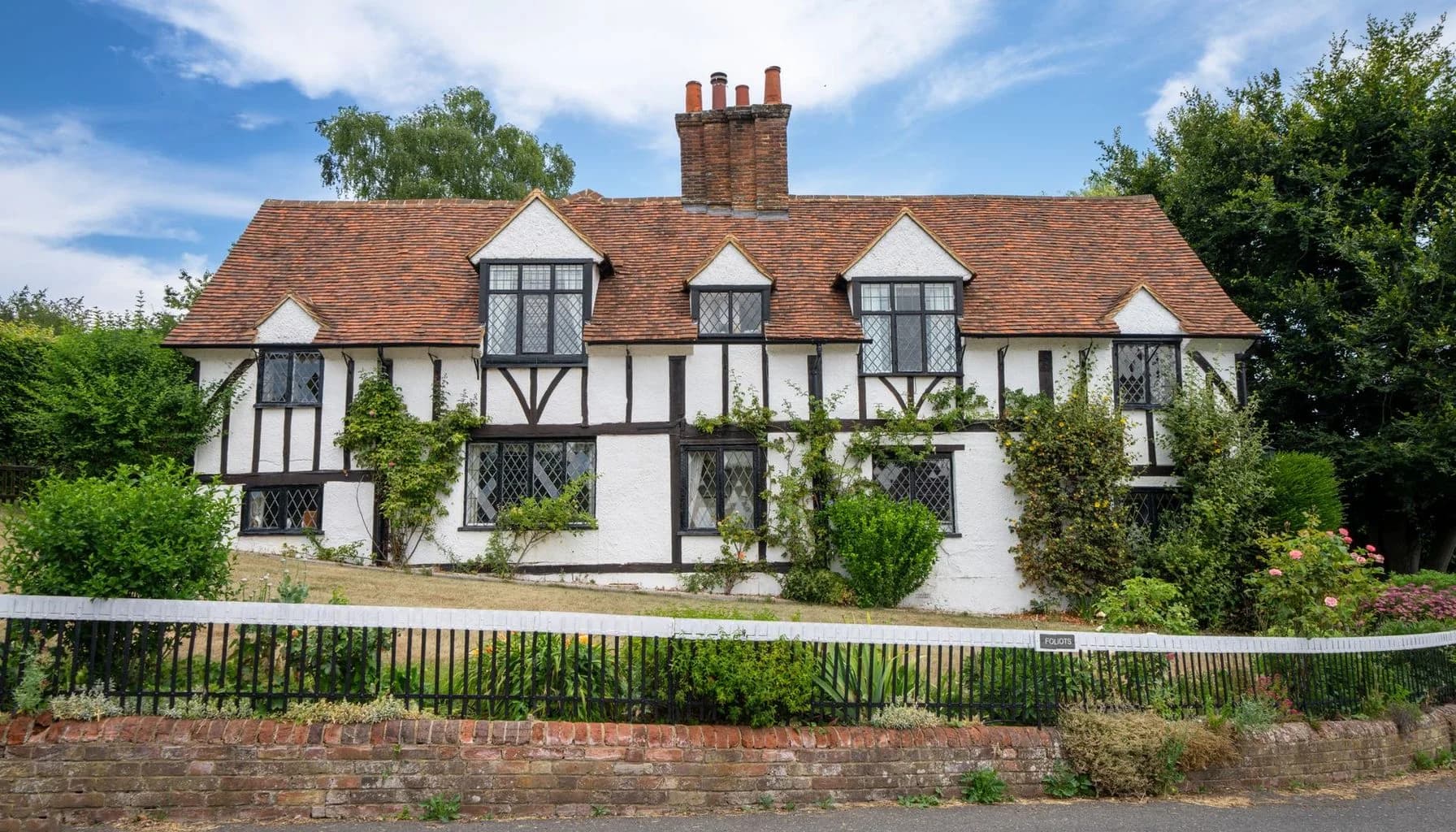
Recent research reveals that over 1.5 million homes in the UK are considered ‘unmortgageable’ by mainstream lenders, significantly impacting the mortgage market. This situation arises from various factors, including construction types, lease lengths, and property conditions, which restrict access to traditional mortgage finance.
What Types of Properties Are Unmortgageable?
According to the findings, properties that fall outside traditional lending criteria include thatched cottages, high-rise flats, and homes near commercial premises. Additionally, properties lacking essential facilities, such as functioning kitchens or bathrooms, are also deemed unmortgageable. This classification affects around 6% of the UK’s 28 million residential properties, limiting options for potential buyers.
Why Are Buyers Interested in Unmortgageable Properties?
Despite the challenges, many buyers are drawn to these properties for various reasons. A significant 44% of respondents believe that such homes offer better value for money compared to traditional properties. Furthermore, 31% are motivated by the potential to renovate or restore these homes, while 28% hope to increase their value before selling them for a profit. This indicates a growing interest in properties that require investment and improvement.
What This Means for the Mortgage Market
For borrowers, the classification of properties as unmortgageable presents a significant hurdle. More than one in five respondents reported having their mortgage applications rejected due to the nature of their desired properties. Additionally, 32% of buyers noted that they had access to a limited number of lenders willing to consider their applications. For investors, particularly those in the buy-to-let market, the prospect of lower purchase prices and potential rental income can be appealing, with 35% citing rental income as their primary motivation.
How Can Buyers Navigate This Challenge?
Understanding the specific criteria that lenders use to classify properties can help buyers make informed decisions. Engaging with specialist lenders who cater to non-standard properties may provide alternative financing options. Buyers should also consider the renovation costs and potential risks involved in purchasing unmortgageable homes. The willingness to take on such properties can lead to rewarding opportunities, but it requires careful planning and consideration.
Frequently asked questions
What should I consider before buying an unmortgageable property?
Before purchasing an unmortgageable property, assess the renovation costs, potential risks, and your access to financing. Engaging with specialist lenders can provide insights and options tailored to your situation.
Are there lenders that finance unmortgageable properties?
Yes, some lenders specialize in financing non-standard properties. It’s essential to research and reach out to these lenders to explore your financing options.