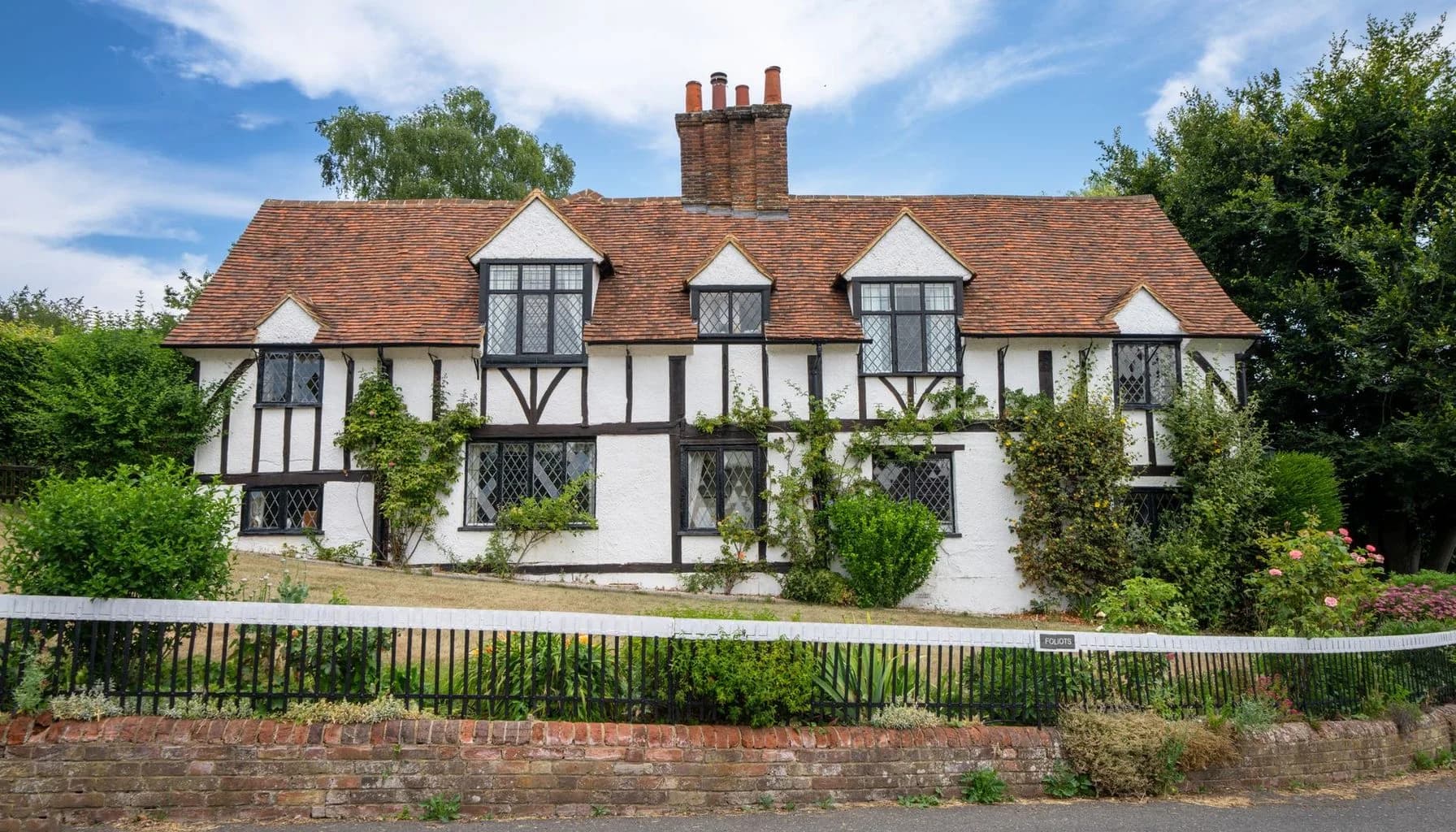
Recent research reveals that over 1.5 million homes in the UK may be deemed “unmortgageable” by mainstream lenders. This situation arises from various factors that fall outside the lending criteria of many high street banks, impacting potential buyers and landlords significantly.
What Makes a Home Unmortgageable?
According to a study by specialist lender Together, around 6% of the UK’s 28 million residential properties are considered unfit for standard mortgage financing. Key factors contributing to this classification include the presence of thatched roofs, short leases, solid-wall construction, high-rise locations, proximity to commercial premises, or the absence of essential amenities like kitchens or bathrooms.
Who is Affected by This Issue?
Potential buyers, especially those interested in renovation projects, are significantly impacted. The research indicates that 44% of individuals who have considered purchasing such properties believe they offer better value than conventional homes. Additionally, 31% are specifically looking for renovation opportunities, while 28% are attracted by the lower purchase prices associated with these properties.
What This Means for Investors and Landlords
For buy-to-let investors, the allure of properties deemed unmortgageable often lies in their rental income potential. In fact, 35% of these investors cite this as their primary motivation for pursuing such properties. However, the challenges are evident, as 21% of buyers have faced mortgage application rejections, and 32% reported a limited selection of lenders willing to consider their applications. This situation underscores the need for alternative financing options for those looking to invest in these types of properties.
What Should Buyers Watch Next?
As the property market evolves, potential buyers should remain vigilant about the lending criteria of various lenders. Understanding the specific characteristics that can render a property unfinanceable is important. Exploring options like residential mortgages tailored for unique properties may provide viable pathways for those interested in these homes.
Frequently Asked Questions
What types of properties are commonly unmortgageable?
Properties with thatched roofs, short leases, solid-wall construction, or lacking basic amenities like kitchens or bathrooms are often considered unmortgageable.
How can buyers finance unmortgageable properties?
Buyers can explore alternative financing options, such as specialist lenders or renovation loans, which may cater to properties that do not meet mainstream lending criteria.