/
Holiday let mortgages
A holiday let mortgage is a loan on a home let to guests for short stays, assessed on projected seasonal income. See how holiday let lending works and what lenders check.
Reviewed by David Sampson, Founder & Director · Created
TL;DR
- •A holiday let mortgage funds a home let to guests for short stays.
- •Lenders assess projected seasonal income against the mortgage interest.
- •Deposits are usually larger than for a home loan.
- •The furnished holiday let tax regime ended in April 2025.
What is a holiday let mortgage?
A holiday let mortgage is a loan secured on a holiday cottage, flat, lodge or house that is let to paying guests for short stays, usually by the week or by the night. Lenders assess it on the income the home is expected to earn across the year rather than on a tenancy rent.
Holiday let mortgages sit between residential and buy-to-let lending. They allow short stays, which most buy-to-let mortgages do not, and they usually allow the owner some personal use each year. Mortgages for holiday homes, holiday cottage mortgages and holiday property mortgages are other names for the same thing when the property is let to guests.
Most holiday let mortgages are unregulated, because the property is run as a letting business. Where the owner or family uses the property heavily and lets it only occasionally, lenders may treat it as a second home instead, and different rules and products apply. The way the property will be used decides which mortgage fits.
Holiday lets are found across the UK, from coastal cottages and rural barns to city flats let through booking platforms. Lenders have their own views on each type, and some focus on particular regions where they know the holiday market well.
How holiday let mortgages work
A holiday let mortgage works like other property loans: the lender advances part of the price, the borrower pays a deposit, and the loan is repaid over an agreed term on an interest-only or repayment basis. The difference is in how affordability is tested, which is based on projected holiday income at seasonal rates, and in the rules on use.
Lenders ask a valuer or letting agent for low, mid and high season weekly rates, then average these across the year and allow for empty weeks. The income is tested against the mortgage interest at a stressed rate, which is often higher than the rate actually charged. Some lenders also take the borrower's personal income into account, which can support a larger loan.
Terms commonly run from five to twenty-five years. Fixed and variable rates are both available, and many borrowers choose interest-only to keep payments lower in quieter months, with the loan repaid later from a sale or refinance.
The offer usually sets out how many weeks the property must be available to let, how much personal use is allowed and whether the property can be let on longer tenancies out of season. These conditions matter as much as the rate, because breaking them can breach the mortgage.
What lenders look at
Holiday let lenders look at the deposit, the projected income, the borrower's personal income and other borrowing, the property type and the location. Many ask for a minimum personal income, and some want the borrower to own a home already. First-time buyers and first-time landlords can find a smaller group of lenders, often with a larger deposit required.
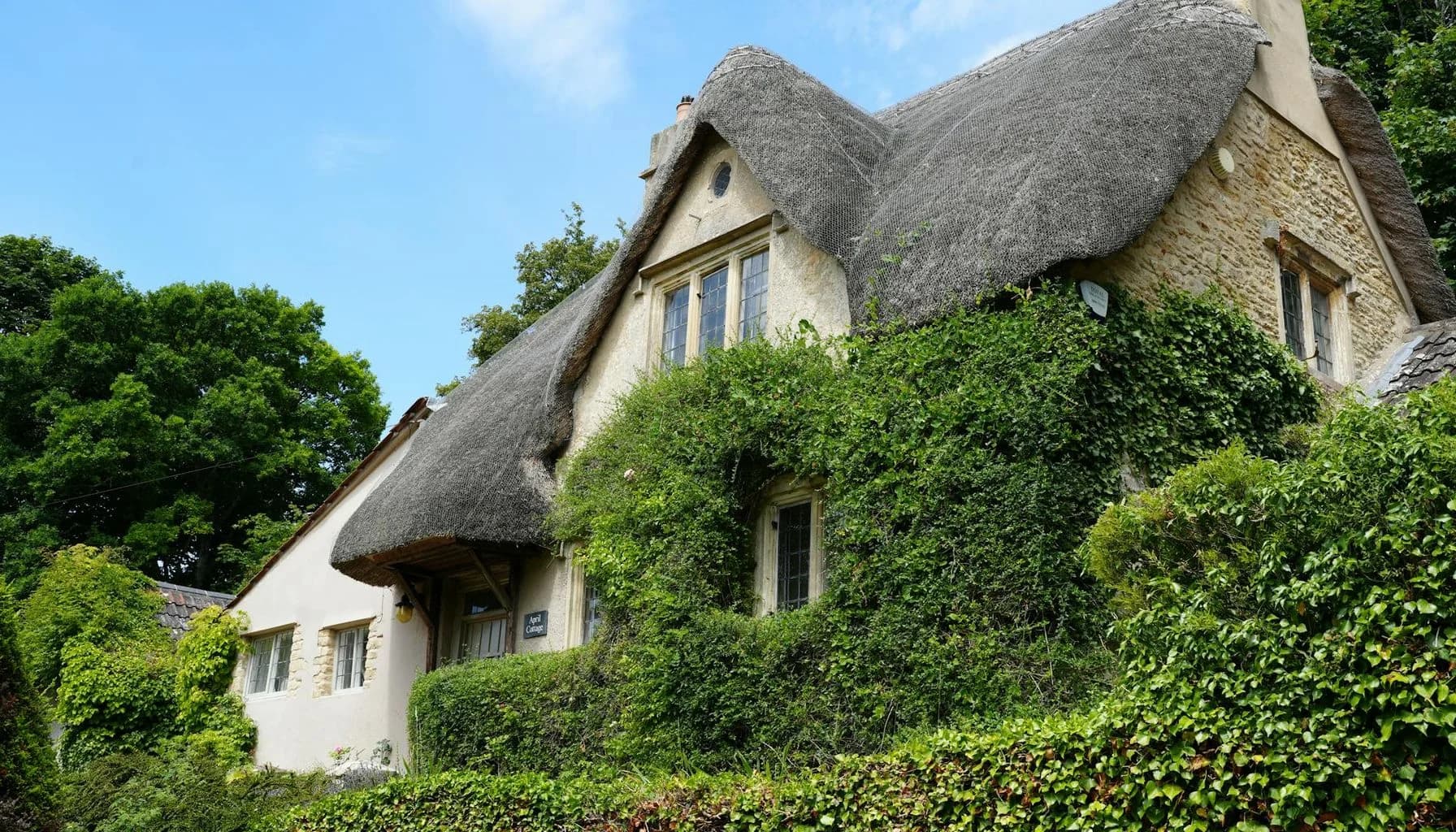
The property needs to be suitable for letting to guests. Lenders check its condition, access, furnishings and safety certificates, and some exclude properties with agricultural ties, restricted occupancy conditions, thatched roofs or unusual construction. Others accept these at a lower loan-to-value. Lodges, flats above shops and properties in very remote areas are also treated with care.
Location affects the valuation and the income projection. Established holiday areas with year-round demand usually support more borrowing than places with a short season. A guide covering criteria, rules and tax in more depth is what is a holiday let mortgage, which also compares holiday lets with buy-to-let.
Deposits and costs
Holiday let mortgages usually need a larger deposit than residential mortgages, and many lenders ask for at least a quarter of the property price. Some accept smaller deposits on strong cases, while others want more for flats, unusual properties or borrowers with little letting experience. The deposit needed depends on income, the property and the lender.
Purchase costs come on top. Holiday lets are additional properties, so higher rates of stamp duty usually apply in England and Northern Ireland, with similar surcharges in Scotland and Wales. Legal and valuation fees, furniture, fittings, safety work and setting up booking channels all need to be budgeted before the first guest arrives.
Running costs are higher than on a long-term let. Cleaning and laundry, booking platform or agency commission, utilities, broadband, insurance, repairs and either council tax or business rates all reduce the income left to meet the mortgage. Some councils in England and Wales can charge a council tax premium on homes that are not anyone's main residence.
Estimating these costs against realistic income, rather than peak-season weeks alone, gives a fairer picture of whether the numbers work. The holiday let mortgage calculator page explains how loan size and income cover are worked out.
Types of holiday let property
Holiday let mortgages cover cottages, houses, flats, barn conversions and lodges on their own land. Each is assessed on its likely demand and how easily it would sell. Detached cottages in popular areas are usually the most straightforward, while flats and lodges are accepted by fewer lenders and sometimes at a lower loan-to-value.
Short lets through booking platforms in towns and cities are a growing part of the market. Some lenders treat these in the same way as traditional holiday cottages, while others ask for a track record of bookings or exclude city flats with leases that restrict short lets. Serviced accommodation, where apartments are let with cleaning and linen, is offered by a smaller group of lenders.
Homes kept mainly for family use are usually financed with second home mortgages instead, which are assessed on the borrower's income. Holiday parks, resorts and aparthotels are trading businesses and are financed with commercial lending, assessed on the business's accounts.
Some owners mix uses, letting a property to guests in summer and on a longer tenancy in winter. Lenders vary on whether this is allowed, so it is worth checking before relying on winter rent. Insurers have their own rules too, and a policy written for holiday letting may not cover a longer tenancy without changes, so the cover needs checking at the same time as the mortgage terms.
Tax after the end of the FHL regime
The furnished holiday let tax regime ended from 6 April 2025 for income tax and 1 April 2025 for corporation tax. Before then, qualifying holiday lets had full mortgage interest relief, capital allowances and some capital gains tax reliefs. Since the change, holiday lets are taxed in the same way as other residential lettings (GOV.UK, accessed 20 Oct 2026).
For individual owners, mortgage interest is no longer deducted in full from letting income. A basic rate tax credit is given on finance costs instead, which can increase the tax bill for higher rate taxpayers. Limited companies can still deduct finance costs from profits, which is one reason some owners now buy through a company.
Tax changes do not alter how lenders test income, but they affect the return after tax. An accountant can explain the effect on a specific case, including whether a personal or company purchase suits the owner's wider position.
Limited company holiday let mortgages
Several lenders offer holiday let mortgages to limited companies, usually special purpose vehicles set up to hold property. Directors normally give personal guarantees, and lenders look at the directors' income and experience as well as the property. Company lending can carry different pricing and fees from lending to individuals, so comparing both on the same property is useful.
Moving an existing holiday let into a company is treated as a sale, which can trigger stamp duty and capital gains tax. Buying through a company from the start avoids that, but it changes how income is taxed and extracted. The choice depends on the owner's plans and tax position, and many owners take accountancy advice first.
Rates and costs
Holiday let mortgage pricing depends on the loan-to-value, the projected income compared with the interest, the property type, the location and the product. Fixed rates set the payment for a period, and variable rates move with a reference rate plus a margin. Arrangement, valuation and legal fees add to the cost, as do early repayment charges.
How these factors combine, and how to compare offers on the total cost, is set out on the holiday let mortgage rates page. Testing a higher rate, or a weaker season, shows how sensitive a purchase is to change and how much income headroom there is.
Many holiday let mortgages are interest-only, which lowers monthly payments but leaves the loan to repay at the end. Repayment mortgages reduce the balance over time but cost more each month, which matters most in the quieter winter weeks.
Lenders and brokers
Holiday let mortgages come from building societies, some high-street banks and specialist lenders, and their appetite for property types, locations and borrowers varies widely. There are 9 lenders listed as offering holiday let mortgages, and they can be compared by criteria, ratings and reviews.
Many holiday let lenders work through brokers, who prepare the case with the income projection and manage it through valuation and offer. There are 191 brokers listed as arranging holiday let mortgages, and they can be compared on the holiday let mortgage brokers page.
Other names for holiday let mortgages include holiday home mortgages, holiday cottage mortgages, holiday property mortgages and mortgages for holiday homes.
Holiday let mortgage FAQs
What is a holiday let mortgage?
A holiday let mortgage is a loan on a property let to guests for short stays, assessed on projected seasonal holiday income.
Can I get a mortgage for a holiday home?
Yes. A holiday let mortgage suits a home let to guests, and a second home mortgage suits a home kept for personal use.
How much deposit do I need for a holiday let?
Many lenders ask for at least a quarter of the price, though it varies with income, location and the lender.
Can I use a buy-to-let mortgage for a holiday let?
Usually not. Most buy-to-let mortgages need a longer tenancy and do not allow short stays.
Can a limited company get a holiday let mortgage?
Yes. Several lenders offer holiday let mortgages to limited companies, usually with director guarantees.
Can I stay in my holiday let?
Usually, for a limited number of weeks a year set by the lender.
Is a holiday let mortgage regulated?
Usually not, because the property is let as a business. Heavy personal use can make it a regulated second home mortgage.
Resources
Brokers
191 holiday lets brokers in this directory
| # | Broker | Verified | Google rating |
|---|---|---|---|
1 | 5.0 (133) | ||
2 | 5.0 (81) | ||
3 | 5.0 (79) | ||
4 | 5.0 (78) | ||
5 | 5.0 (39) | ||
6 | 5.0 (30) | ||
7 | 5.0 (16) | ||
8 | 5.0 (10) | ||
9 | 5.0 (8) | ||
10 | 5.0 (5) |
Showing 10 of 191 brokers. Compare the full shortlist.
Related articles
Practical guides and explainers from our blog — relevant to this mortgage type.
Important: Your home may be repossessed if you do not keep up repayments on your mortgage. Information on this page is for general guidance only and does not constitute financial advice.Always verify details directly and seek independent advice before making financial decisions.