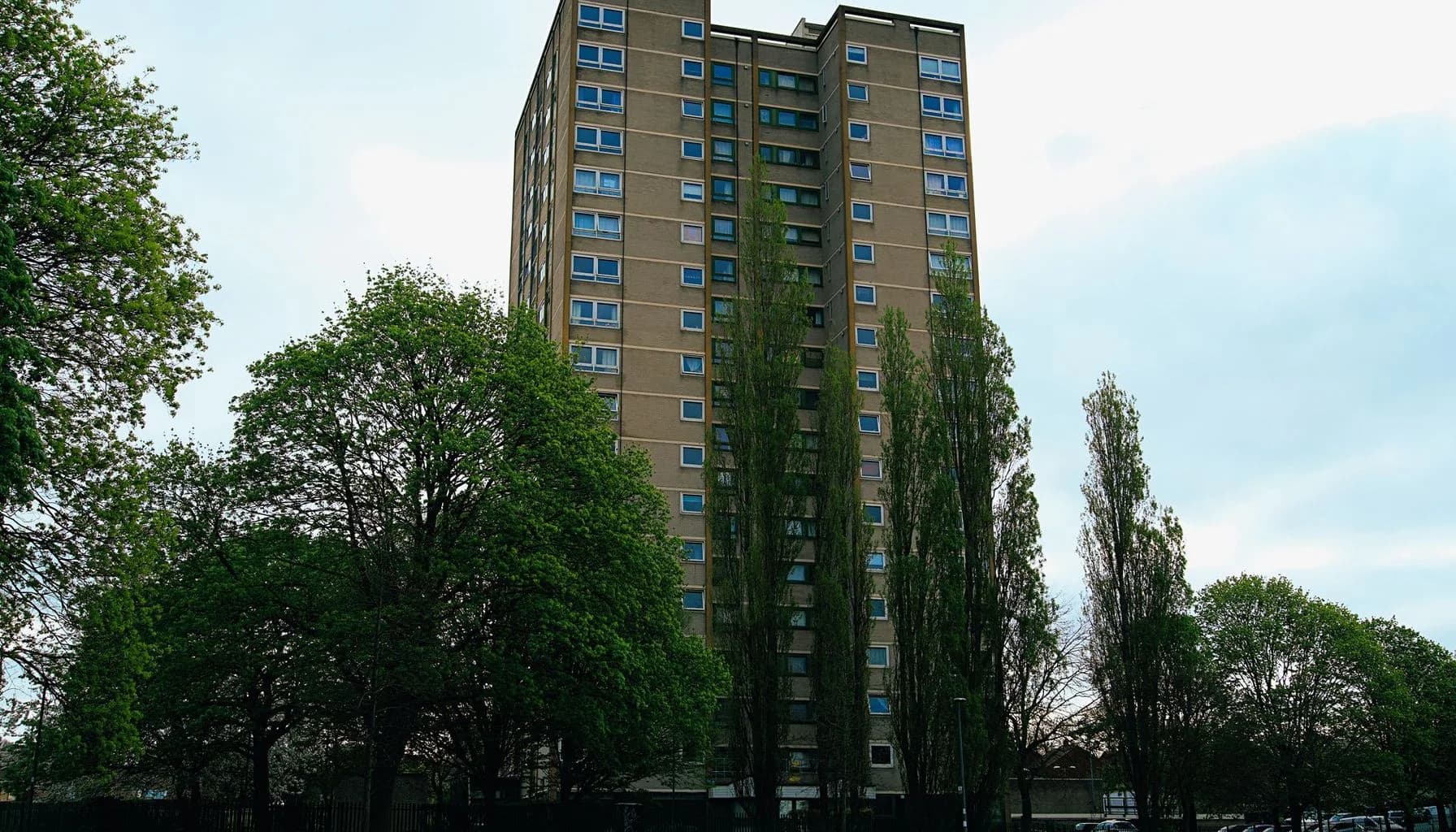
House prices in the UK have remained stagnant in July, holding steady at an average of £299,253. This follows a modest increase of 0.2% in June and marks the slowest annual growth rate of just 0.1% recorded in nearly three years. The latest figures from Lloyds reveal that while some regions are experiencing growth, the overall national trend suggests a challenging environment for both buyers and investors.
What Are the Key Regional Trends in House Prices?
Regionally, Northern Ireland has shown the strongest annual growth, with prices increasing by 7.4%, bringing the average property price to £231,131. Scotland also saw a rise of 3.6%, with average prices reaching £223,246. In Wales, annual growth was recorded at 1.6%, leading to an average price of £231,458. Conversely, England is witnessing a more mixed picture, particularly in the South East, where prices have decreased by 2% to £381,146, and Greater London, which experienced a 1.3% decline to £533,930.
Why Are House Prices Stagnating?
According to Amanda Bryden, head of mortgages at Lloyds, the stability in average house prices over the past two years indicates a market that has been moving within a narrow range. With prices only 0.5% higher than in November 2024, the current economic climate, including rising mortgage rates and inflation, continues to present challenges for potential buyers. The recent geopolitical events in the Middle East have also contributed to a rise in mortgage rates after a brief period of easing earlier in the summer.
What This Means for Buyers and Investors
The stagnation in house prices poses significant implications for both first-time buyers and existing homeowners. Affordability remains a pressing issue, as many potential buyers are finding it increasingly difficult to enter the market. Propertymark’s chief executive, Nathan Emerson, notes that 2026 has been particularly challenging for affordability. However, with interest rates stabilising and inflation showing signs of decline, there may be a gradual improvement in buyer confidence as the year progresses.
What Should You Watch Next?
As the housing market continues to evolve, it is essential for buyers, landlords, and investors to stay informed about changes in mortgage rates and economic conditions. Monitoring the latest data from authoritative sources, such as the Bank of England and the Land Registry, will provide insights into future trends. Additionally, keeping an eye on regional variations in house prices can help identify opportunities for investment or purchasing.
Frequently Asked Questions
What factors are influencing the current house price trends?
Current house price trends are influenced by affordability challenges, rising mortgage rates, and regional economic conditions. Recent geopolitical events have also impacted market stability.
How can buyers navigate the current housing market?
Buyers should focus on understanding their financial situation, exploring various mortgage options, and staying informed about market trends to make well-informed decisions.