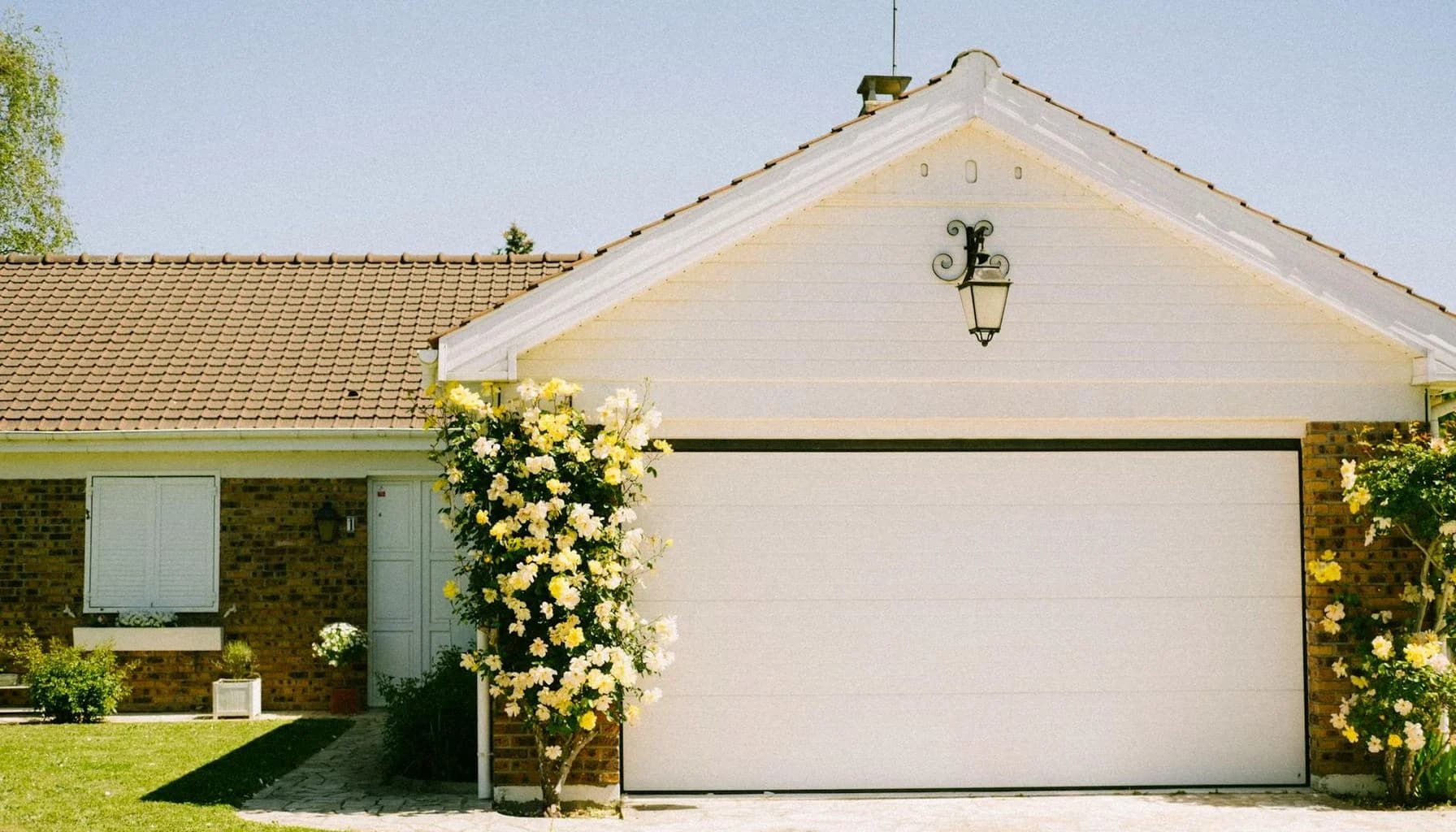
House prices in the UK have experienced a notable decline in May, marking the first monthly drop of 2026. The Nationwide house price index reported an average decrease of 0.6% compared to April, when prices had risen by 0.4%. This downturn is significant as it reflects growing uncertainty in the market, influenced by geopolitical events and rising energy costs.
Why Did House Prices Fall in May?
The decline in house prices can be attributed to several factors, with the ongoing geopolitical tensions in the Middle East leading to increased energy prices and market interest rates. Robert Gardner, chief economist at Nationwide, noted that this loss of momentum was somewhat expected given the current economic climate. Additionally, consumer confidence has weakened significantly, as evidenced by the GfK index dropping to its lowest level since late 2023. The Royal Institution of Chartered Surveyors (RICS) reported a sharp decrease in new buyer inquiries, suggesting a cautious approach from potential buyers.
What Does This Mean for Buyers and Investors?
For buyers, the falling house prices indicate a shift in the market dynamics. Needs-based buyers are now more inclined to negotiate, avoiding overpaying for properties. This trend could lead to a more balanced market where buyers have greater use. Investors should also take note; as mortgage rates continue to be cut by lenders, the stability from the Bank of England in maintaining the base rate may provide a calmer environment for property transactions. However, the overall impact of higher borrowing costs is expected to erode spending power, which could further suppress house prices throughout the year.
How Are Mortgage Rates Affected?
As house prices decline, mortgage rates are also in flux. Lenders are actively reducing their rates, which could benefit buyers looking to secure financing. The Bank of England’s decision to maintain the base rate suggests that the volatility seen in previous months may be easing. However, the gradual disappearance of mortgage rates agreed upon before the geopolitical tensions may lead to a more cautious lending environment. Borrowers should stay informed about current mortgage rates to ensure they are making the best financial decisions.
What Should We Watch Next?
Looking ahead, minimal house price growth is anticipated for the remainder of 2026, with external factors such as the upcoming Budget and the government’s ideological direction likely to influence market activity. Investors and buyers should monitor these developments closely, as they could significantly impact property values and lending conditions. Savills has already revised its forecast, projecting a 2% fall in house values this year, which could further affect market sentiment.