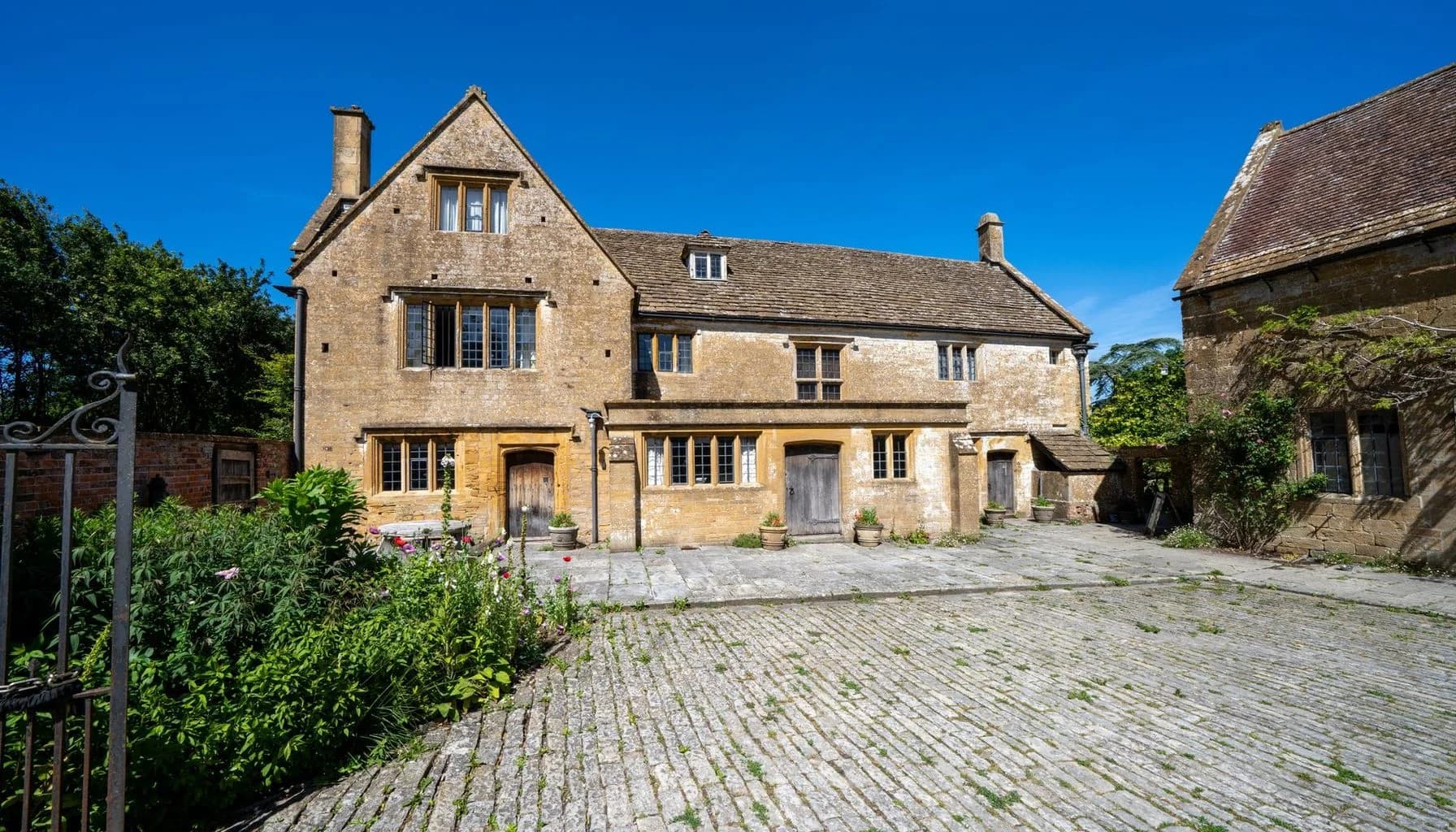
A recent development in the buy-to-let market has emerged with Somo, a specialist lender, facilitating a below-market purchase opportunity for property investors. This unique financing structure allows borrowers to use their main residence to acquire a property valued at £500,000 for just £350,000, significantly enhancing their equity position from day one.
How Does Somo’s Buy-to-Let Financing Work?
Somo structured its facility against the borrower’s primary residence, enabling the quick purchase of a property. The vendor was motivated to sell rapidly due to an overseas relocation, leading to a discounted price that was confirmed by an independent valuation. The lender was assured that the lower purchase price was due to the seller’s circumstances, rather than any problems with the property itself.
What Are the Benefits for Buy-to-Let Landlords?
This buy-to-let opportunity is particularly advantageous for landlords looking to expand their portfolios. By utilizing Somo’s second charge product, the borrower not only cleared existing mortgage arrears but also unlocked sufficient capital to fund the purchase. This strategic move establishes significant equity from the outset, setting the stage for a future transition to a long-term buy-to-let mortgage.
What This Means for Property Investors
For property investors, this development signals a potential shift in how financing can be approached. The ability to purchase below market value while simultaneously addressing existing financial issues is a compelling proposition. Investors should consider how similar opportunities might arise in the current market, especially as sellers may be motivated by personal circumstances.
Frequently Asked Questions
What is a buy-to-let mortgage?
A buy-to-let mortgage is a loan specifically for purchasing a property that will be rented out to tenants, allowing landlords to generate rental income.
How can I finance a buy-to-let property?
Financing options for buy-to-let properties include traditional buy-to-let mortgages, bridging loans, and second charge mortgages, depending on your financial situation. For more information, check our bridging finance guide.