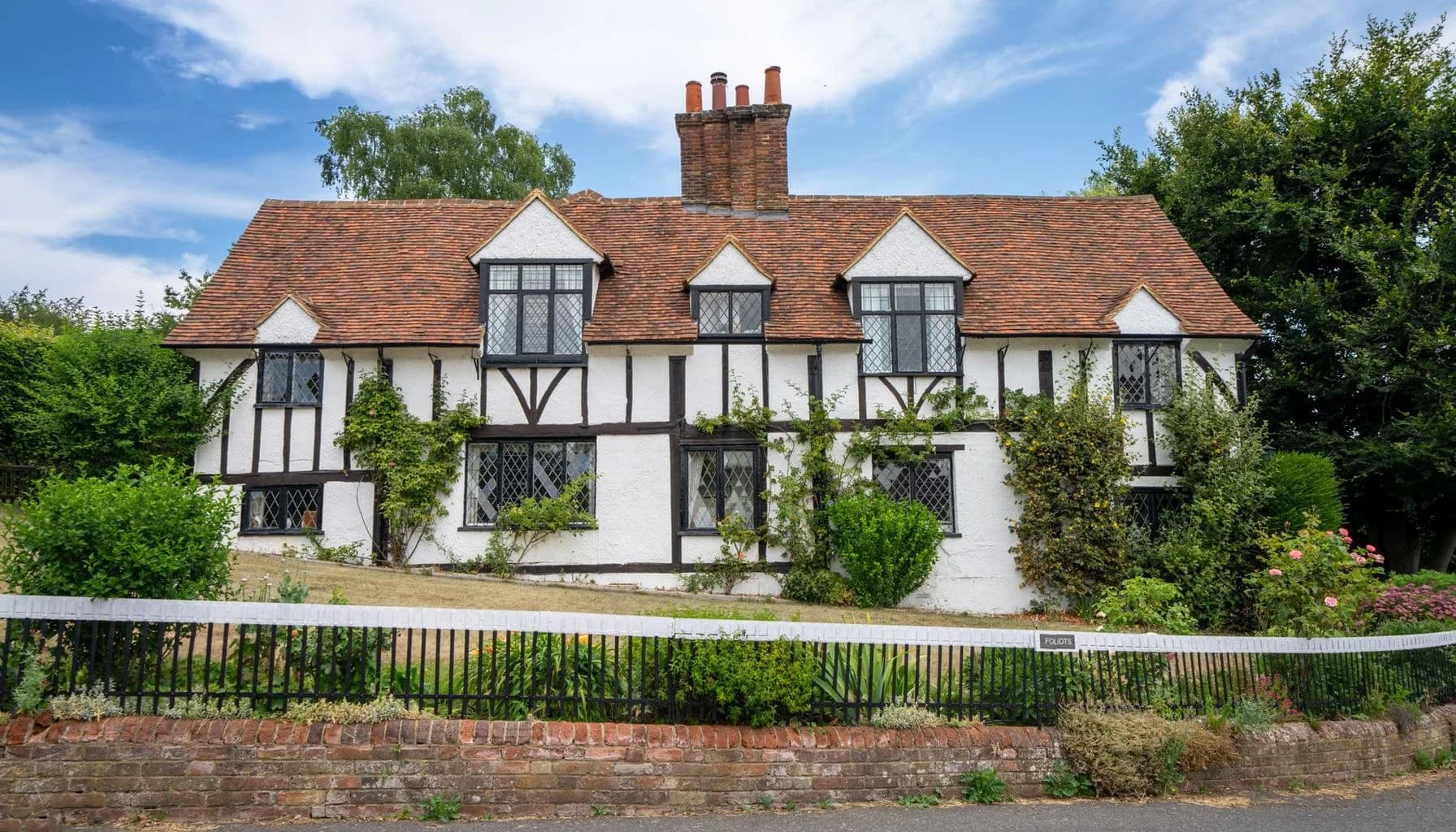
Recent research reveals that over 1.5 million homes in the UK are classified as ‘unmortgageable’ by mainstream lenders, highlighting significant challenges in the mortgage market. This situation affects a wide range of properties, limiting options for potential buyers and impacting investment strategies.
Why Are Homes Deemed Unmortgageable?
According to findings from Together, approximately 6% of the UK’s 28 million residential properties struggle to meet traditional lending criteria. Factors leading to this classification include unconventional construction types, short lease lengths, and poor property conditions. Examples of such properties include thatched cottages, high-rise flats, and homes lacking essential amenities like functioning kitchens or bathrooms.
Who Is Affected by This Situation?
The implications of having over 1.5 million unmortgageable homes extend to various groups, including first-time buyers, landlords, and investors. Many buyers are drawn to these properties due to perceived value, with 44% believing they offer better value for money compared to traditional homes. Additionally, 31% of potential buyers are motivated by the chance to renovate or restore these properties, while 28% aim to add value before selling them for profit.
What This Means for the Mortgage Market
For buyers considering unmortgageable properties, the market can be both challenging and rewarding. While 21% of respondents reported having their mortgage applications rejected, nearly a third faced a limited pool of lenders willing to consider their applications. However, the lower purchase prices of these properties can be appealing, particularly for first-time buyers, with 32% citing this as their main attraction. For buy-to-let investors, 35% are enticed by the potential for rental income.
Despite the risks, 31% of buyers find the risk-to-reward ratio appealing, indicating a willingness to navigate the complexities of purchasing these properties. This trend suggests a growing market for alternative financing options, as buyers look for ways to invest in properties that mainstream lenders may overlook.
What Should Brokers and Lenders Consider?
Brokers and lenders must adapt to the realities of the unmortgageable property market. Understanding the unique challenges faced by buyers of these properties is essential. With a significant number of potential clients seeking alternative financing solutions, lenders may need to develop tailored products that cater to this segment. Additionally, brokers should be prepared to guide buyers through the complexities of purchasing properties that do not meet standard mortgage criteria.
Frequently Asked Questions
What types of properties are considered unmortgageable?
Properties deemed unmortgageable often include those with unconventional construction types, short lease lengths, or significant condition issues, such as thatched cottages and high-rise flats lacking essential amenities.
How can buyers finance unmortgageable properties?
Buyers interested in unmortgageable properties may explore alternative financing options, such as specialist lenders or renovation loans, which cater to properties that do not meet traditional mortgage criteria.