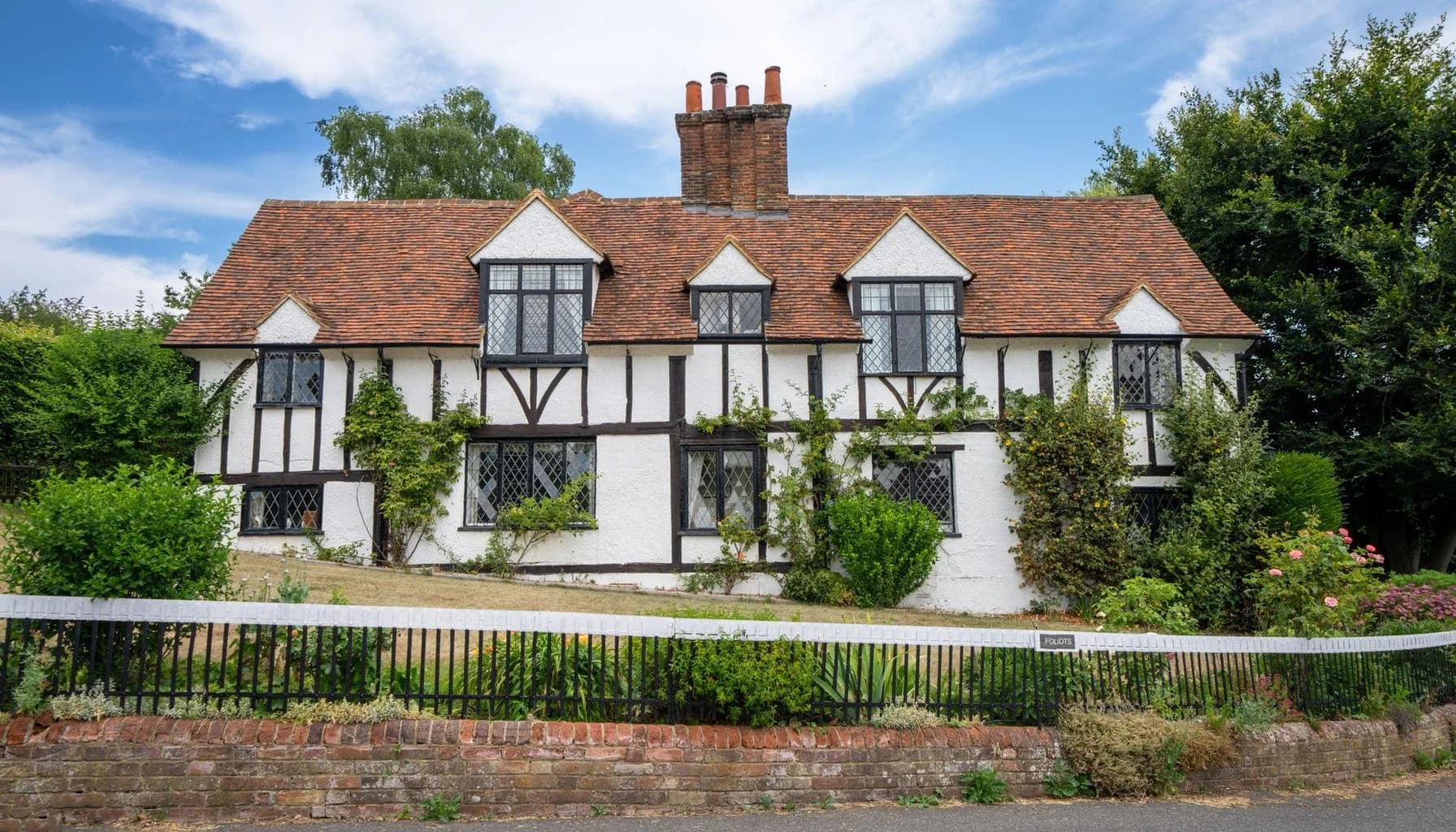
New research reveals that over 1.5 million homes in the UK may be deemed unfinanceable by mainstream lenders due to various structural and legal issues. This situation poses significant challenges for potential buyers, particularly those interested in properties that fall outside standard mortgage criteria.
Why Are Homes Considered Unmortgageable?
According to specialist lender Together, around 6% of the UK’s 28 million residential properties are seen as unfinanceable. Common reasons include thatched roofs, short leases, solid-wall construction, high-rise locations, and proximity to commercial premises. Additionally, properties lacking essential amenities like a functioning kitchen or bathroom are also often rejected by lenders.
Who Is Affected by This Trend?
This issue primarily impacts potential homebuyers and investors looking for properties that may offer better value or renovation opportunities. Among those who have considered purchasing such homes, 44% believe these properties provide better value than conventional homes. A significant portion, 31%, is actively seeking renovation projects, while 28% see these homes as a chance to enhance their value before resale.
What This Means for Buy-to-Let Investors
For buy-to-let investors, the situation is particularly pertinent. Around 35% of these investors are attracted to unfinanceable properties due to their potential for rental income. However, the research indicates that 21% of buyers have faced mortgage application rejections, and 32% reported a limited number of lenders willing to consider their applications. This scenario may lead to fewer investment opportunities in the buy-to-let market.
What Should Buyers Watch Next?
Potential buyers should remain vigilant about the lending criteria of various banks and lenders. Understanding the specific characteristics that make a property unfinanceable can help buyers make informed decisions. Additionally, exploring alternative financing options, such as specialist lenders, may provide viable pathways for purchasing these unique properties.
Frequently Asked Questions
What types of properties are often deemed unmortgageable?
Properties with thatched roofs, short leases, solid-wall construction, or lacking essential amenities like kitchens and bathrooms are often classified as unmortgageable.
How can buyers finance unfinanceable properties?
Buyers may consider specialist lenders who are more flexible with their criteria, or explore renovation loans that cater specifically to properties needing significant improvements.